

Filter
Filter
21 products
-
Caulk tool
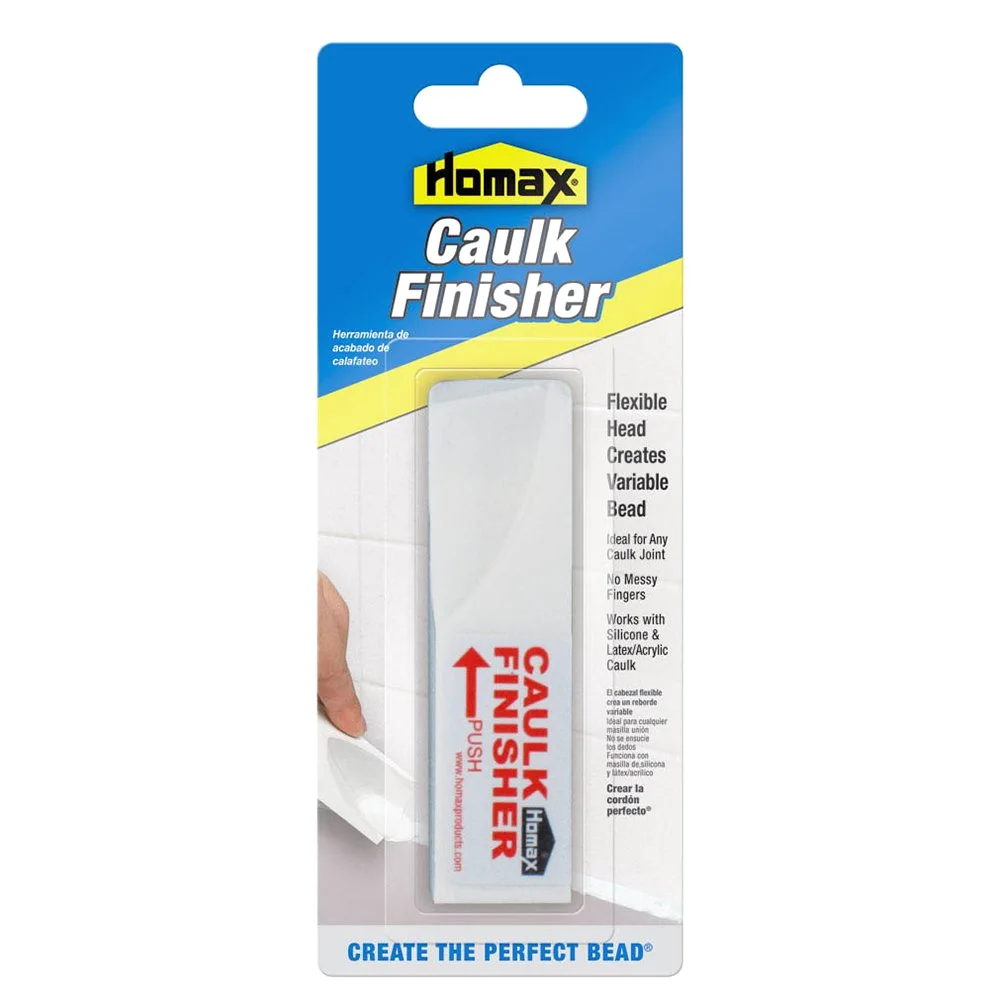
Homax Perfect Bead Caulk Finisher
Best for: Shaping a bead with one pass
Regular price$5.20
-
Repair kit · 4 x 4 in
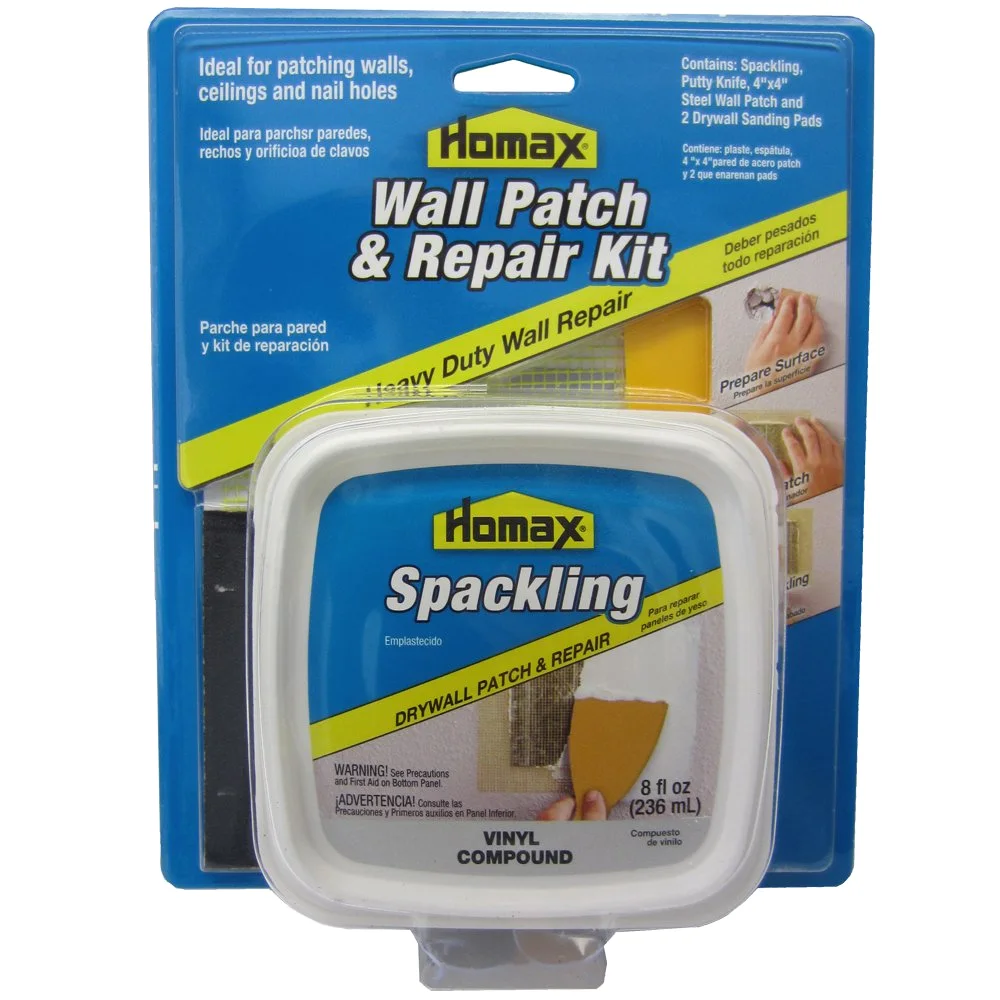
Homax Drywall Patch and Repair Kit, 4 x 4 in
Best for: A first drywall repair with everything in one box
Regular price$9.99 -
Drywall tools
Homax Drywall Tape and Mud Dispenser
Best for: Laying tape and mud in one pass
Regular price$50.90 -
Drywall knife
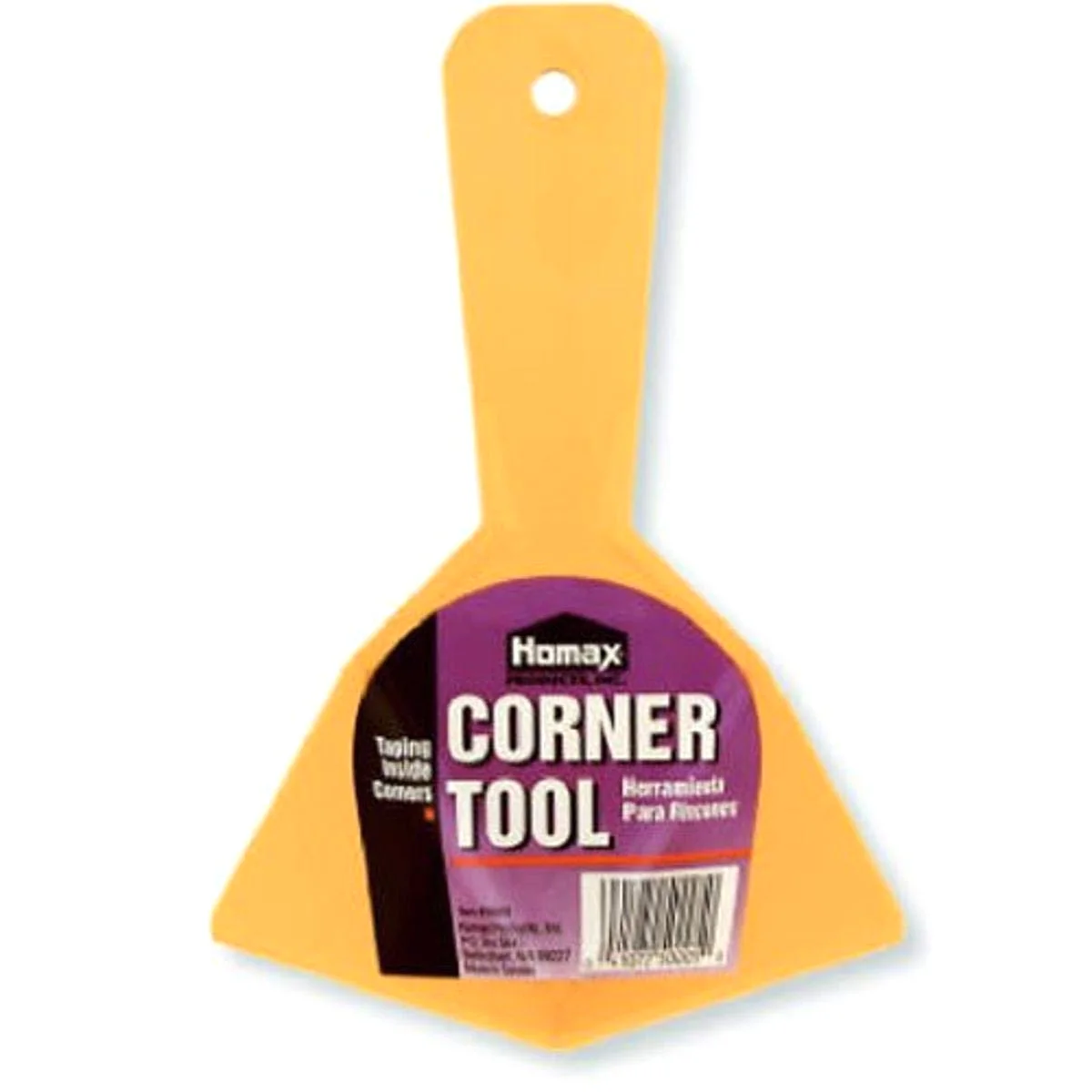
Homax Heavy-Duty Drywall Corner Tool
Best for: Smoothing joint compound into inside corners
Regular price$4.72 -
Wall guard
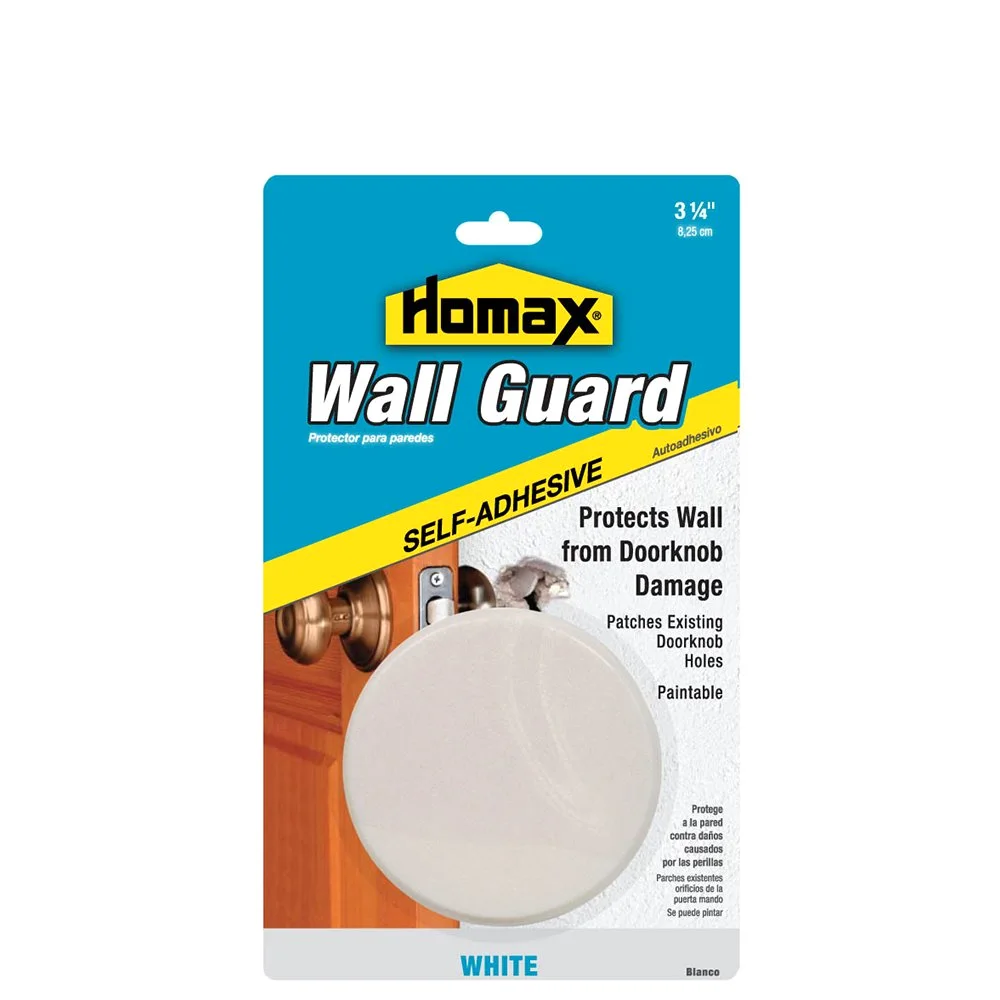
Homax Self-Adhesive Wall Guard, 3-1/4 in
Best for: Stopping a doorknob from punching the wall again
Regular price$4.49 -
Wall guard
Homax Self-Adhesive Wall Guard, 5 in
Best for: Larger door handles and lever sets
Regular price$38.94 -
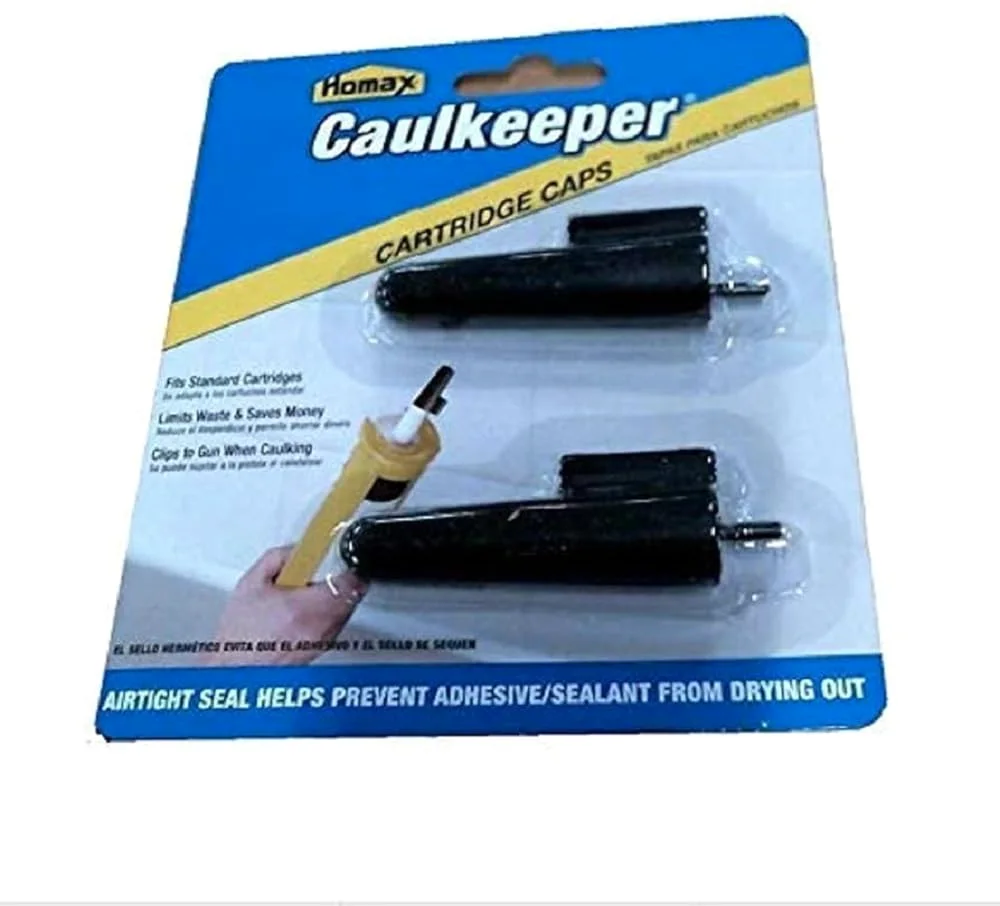
Caulk accessory
Homax Caulkeeper Caulk Caps, 2 Piece
Best for: Keeping an open tube from drying out
From Regular price$7.00 -
Wall patch
Homax Outlet Patch
Best for: The torn drywall around a moved outlet or switch box
Regular price$9.75 -
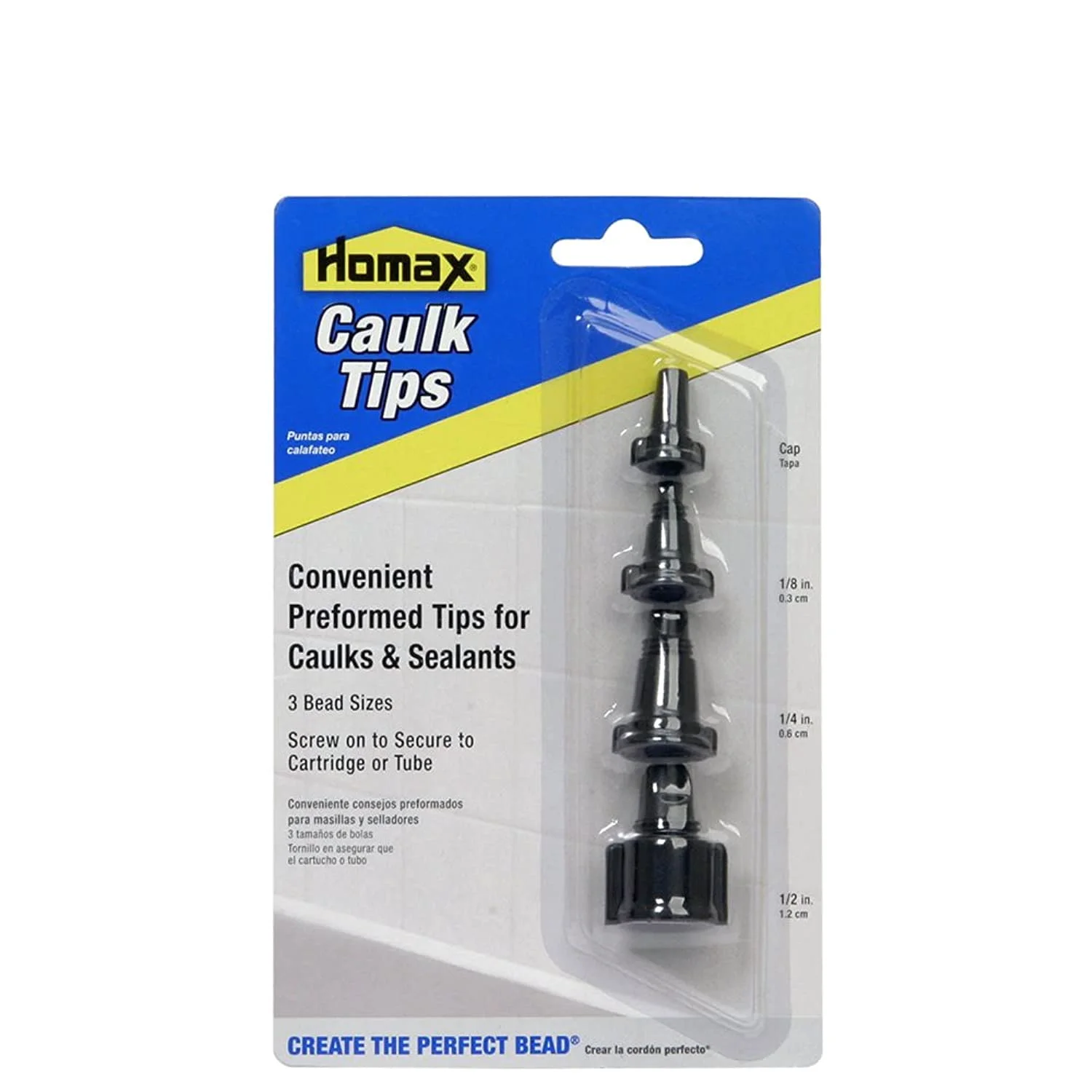
Caulk accessory
Homax Caulk Tip and Cap
Best for: Resealing an open cartridge between jobs
Regular price$7.50 -
-
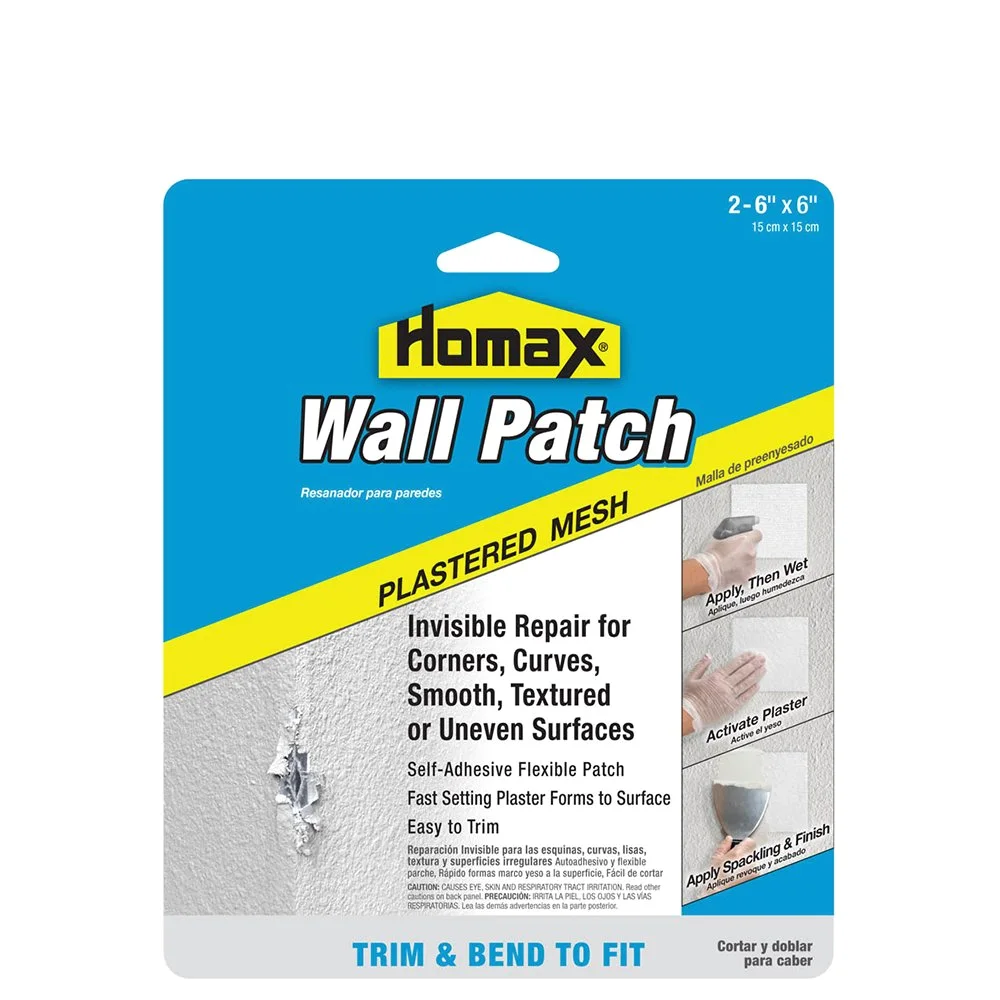
Wall patch · 6 x 6 in
Homax Pre-Plastered Mesh Wall Patch, 6 x 6 in, 2 Pack
Best for: Mid-size holes with the first coat already on
Regular price$8.97 -
Caulk tool
Homax Caulk Finishing Tool
Best for: Smoothing a fresh bead into a clean, even line
Regular price$5.33 -
-
Wall patch · 4 x 4 in
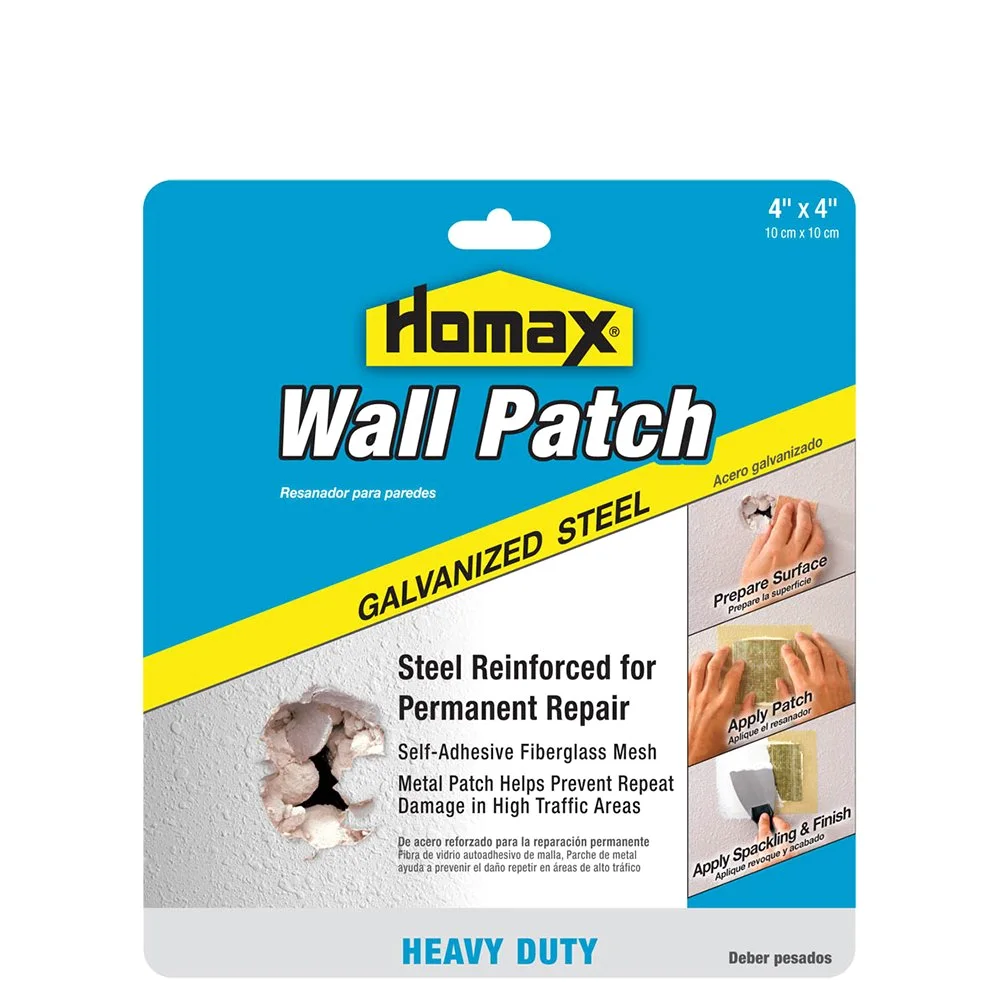
Homax Galvanized Steel Wall Patch, 4 x 4 in
Best for: Doorknob holes and fist-size drywall damage
From Regular price$5.06 -
Drywall knife
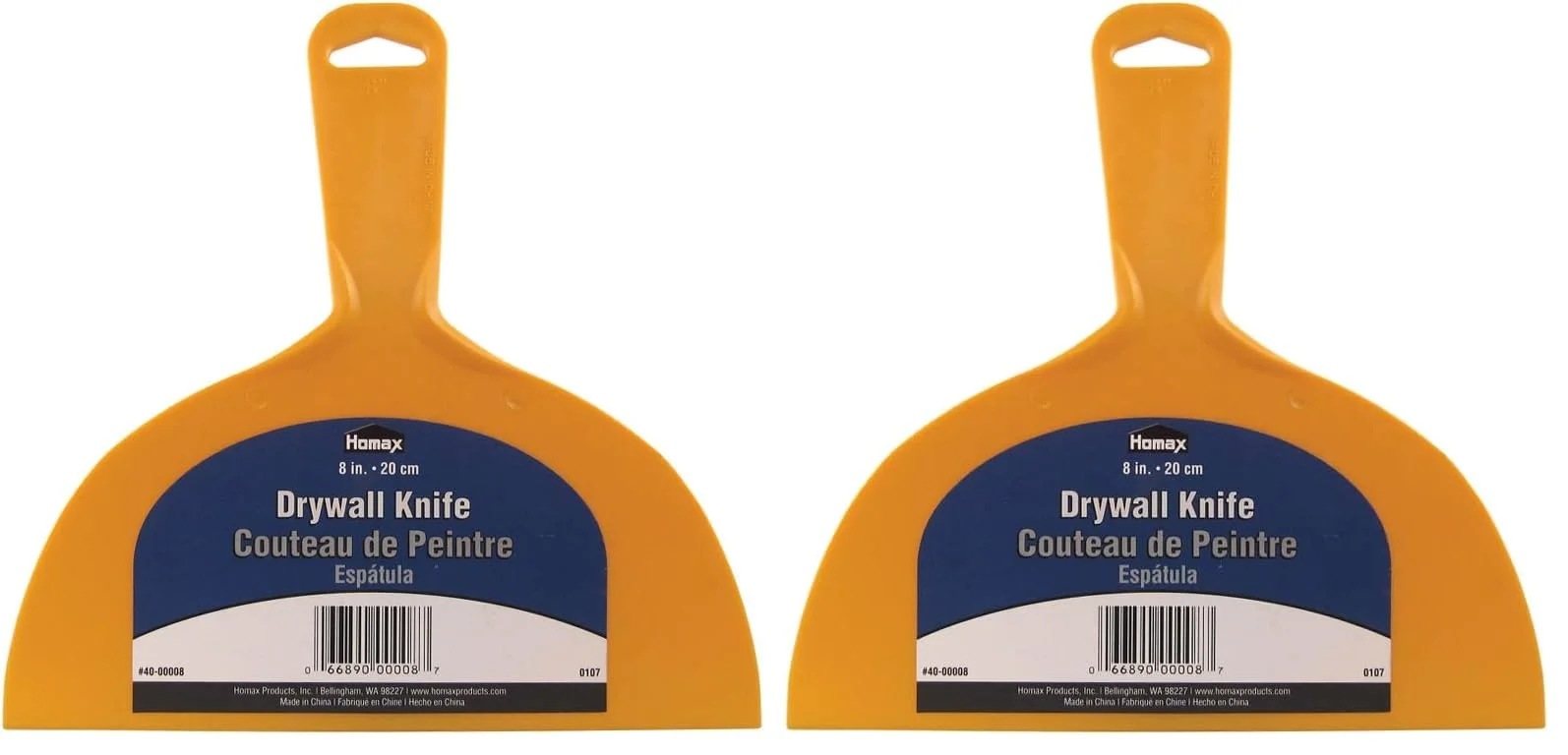
Homax Drywall Knife, 8 in, 2 Pack
Best for: Wide finish coats over a patch or seam
Regular price$10.00 -
Drywall knife
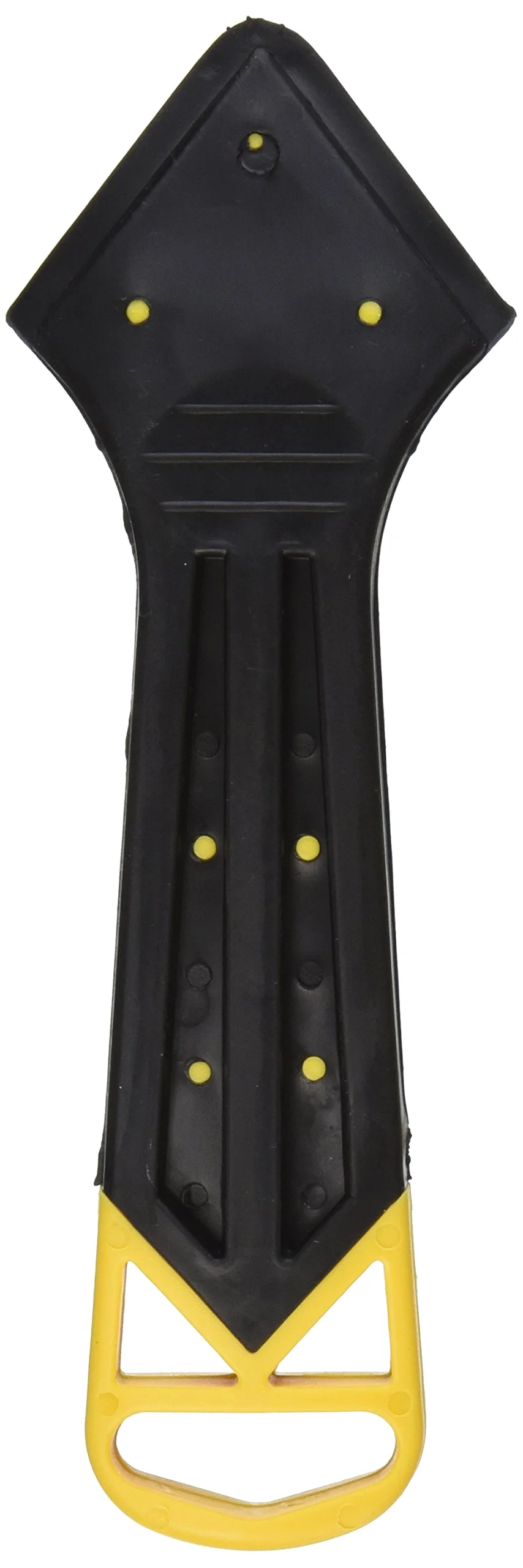
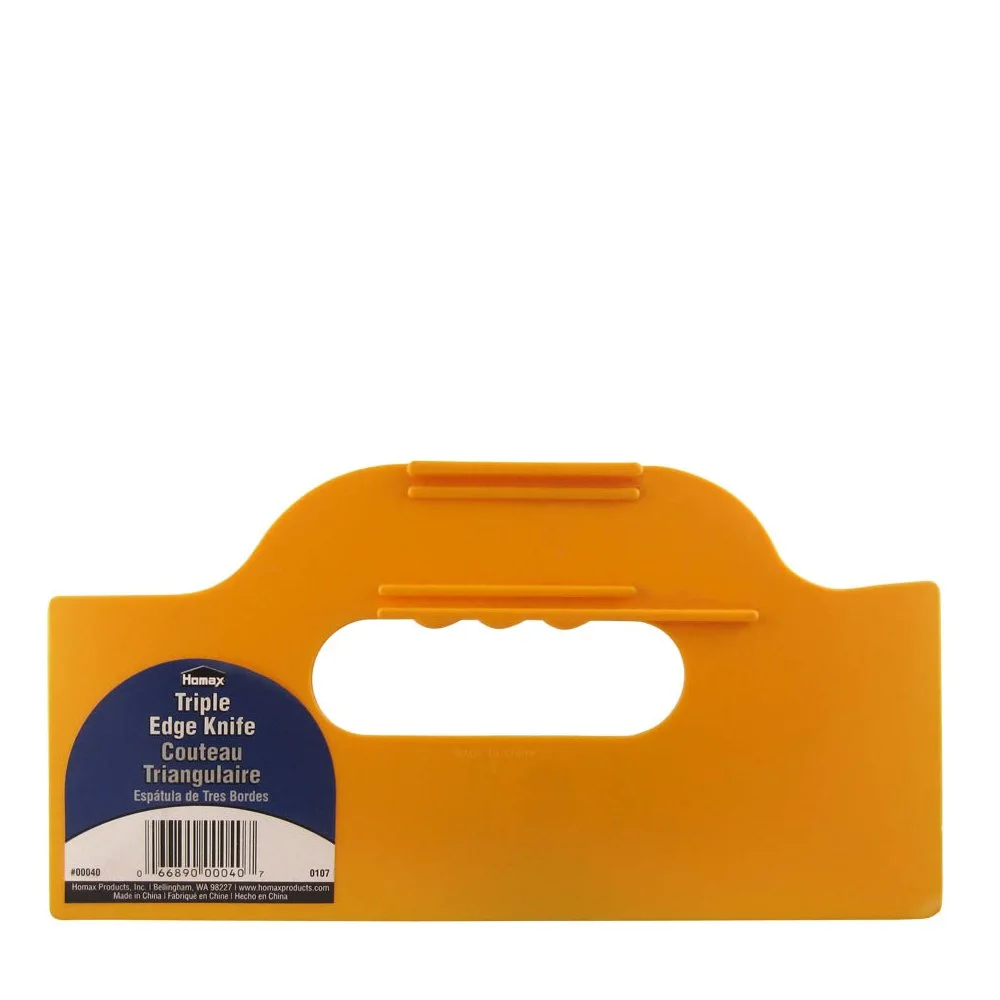
Homax Triple Edge Drywall Knife
Best for: Three blade widths for taping and finishing drywall
Regular price$3.65 -
Drywall tools
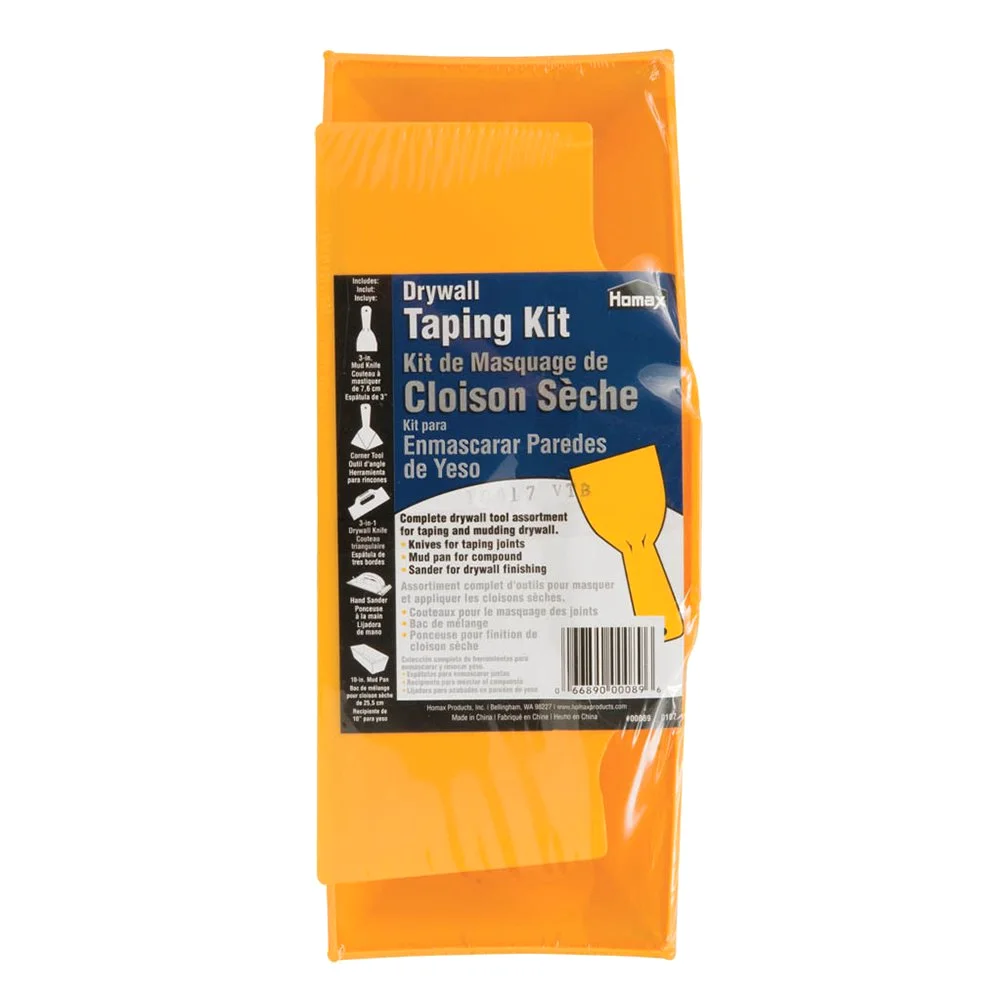
Homax Drywall Taping Kit, 5 Piece
Best for: Taping and mudding a new seam
Regular price$11.95 -
Caulk tool
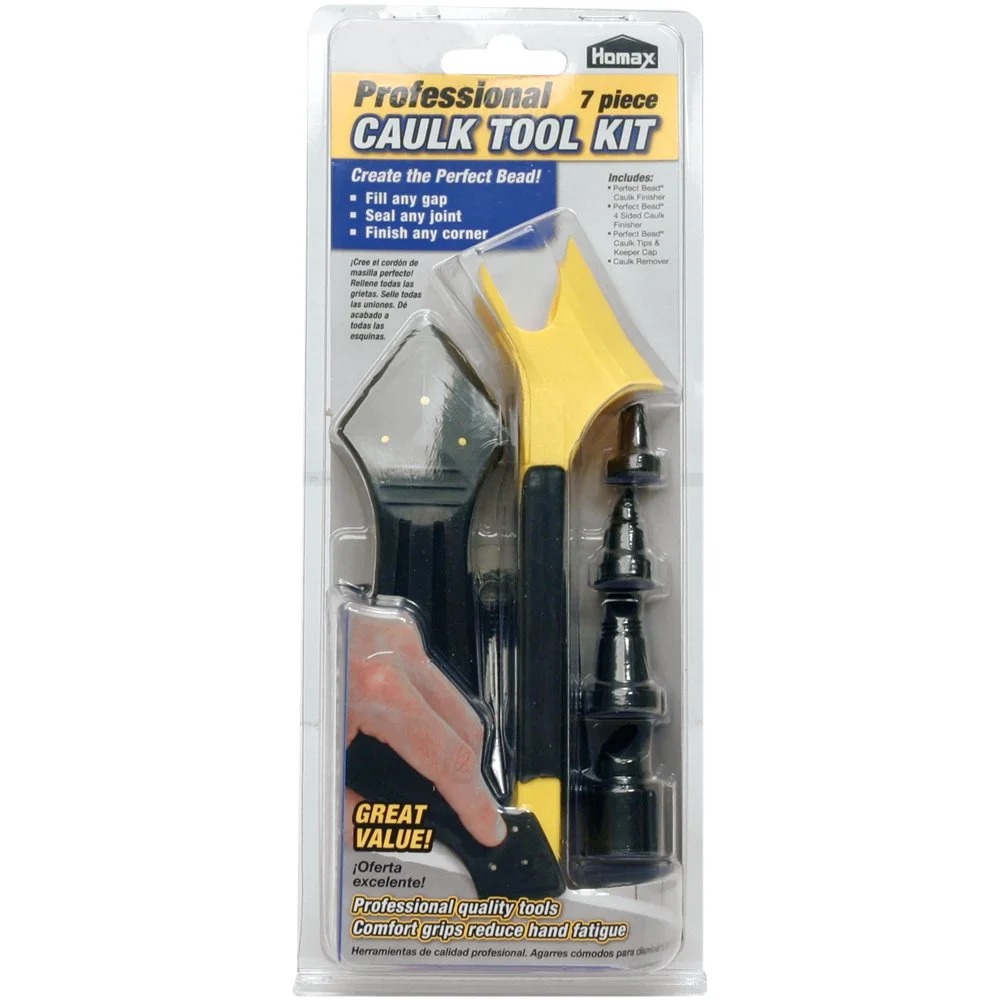
Homax Professional Caulk Tool Kit, 7 Piece
Best for: Every bead width from one kit
Regular price$15.99 -
Ceiling patch · 6 x 6 in
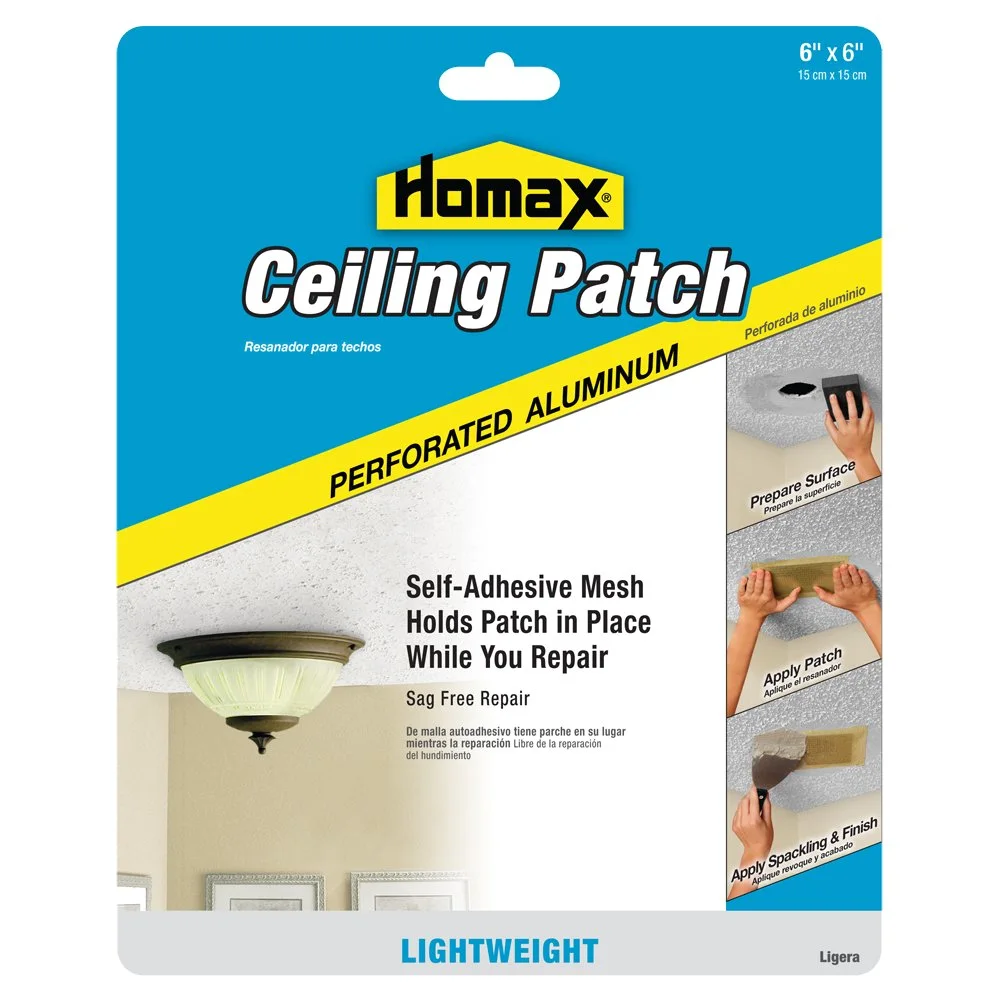
Homax Perforated Aluminum Ceiling Patch, 6 x 6 in
Best for: Holes in a ceiling where a heavy patch would sag
Regular price$4.20 -
Drywall knife
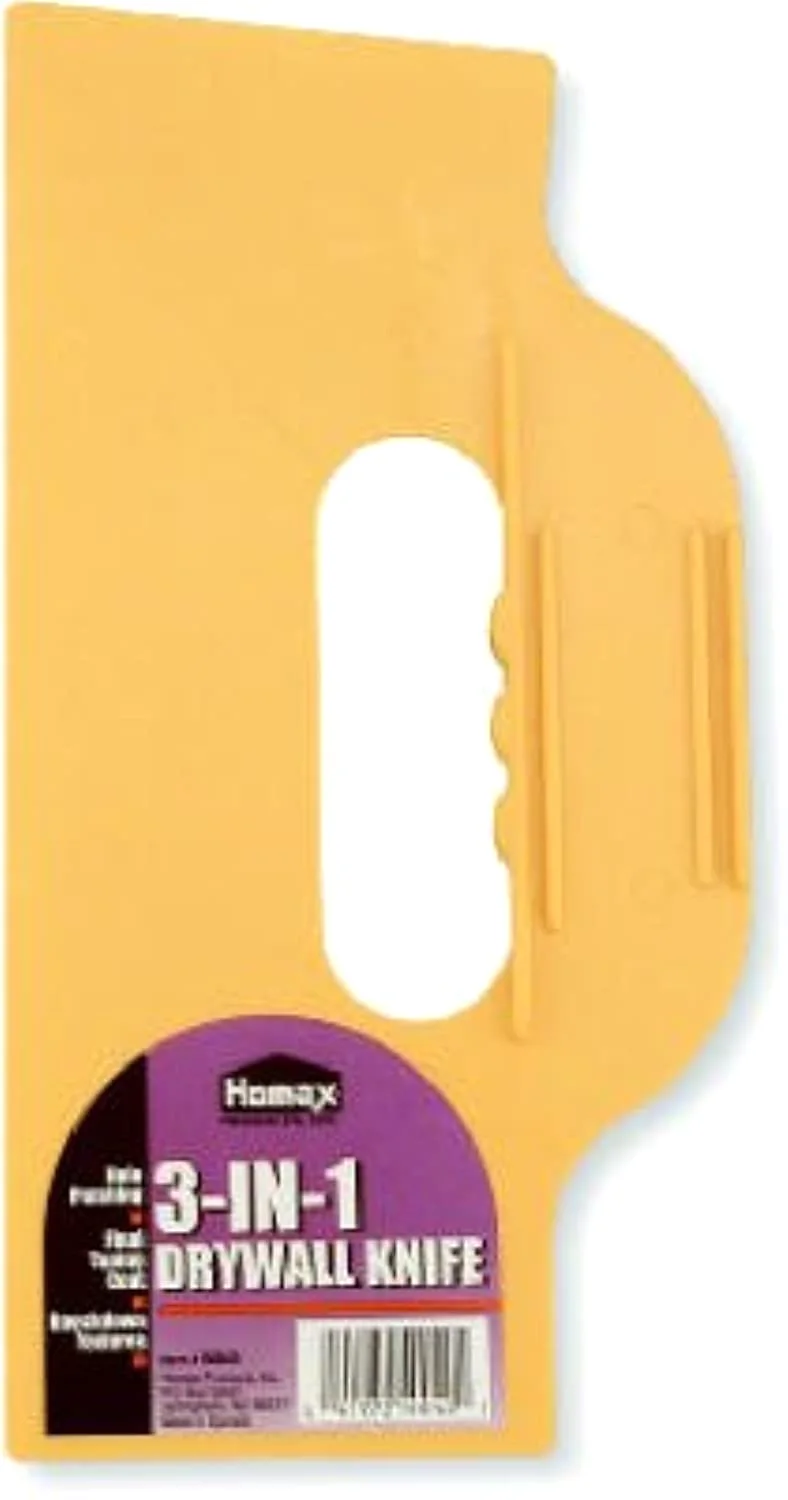
Homax 3-in-1 Drywall Knife
Best for: Spreading, scraping and opening cans with one tool
Regular price$4.92 -
Sander
Homax Drywall Pole Sander
Best for: Sanding high walls and ceilings without a ladder
Regular price$18.37 - The whole guideEvery Homax product72 products from $1.82See them all


No product matches every filter you picked.
Fix the hole, then seal the joint beside it
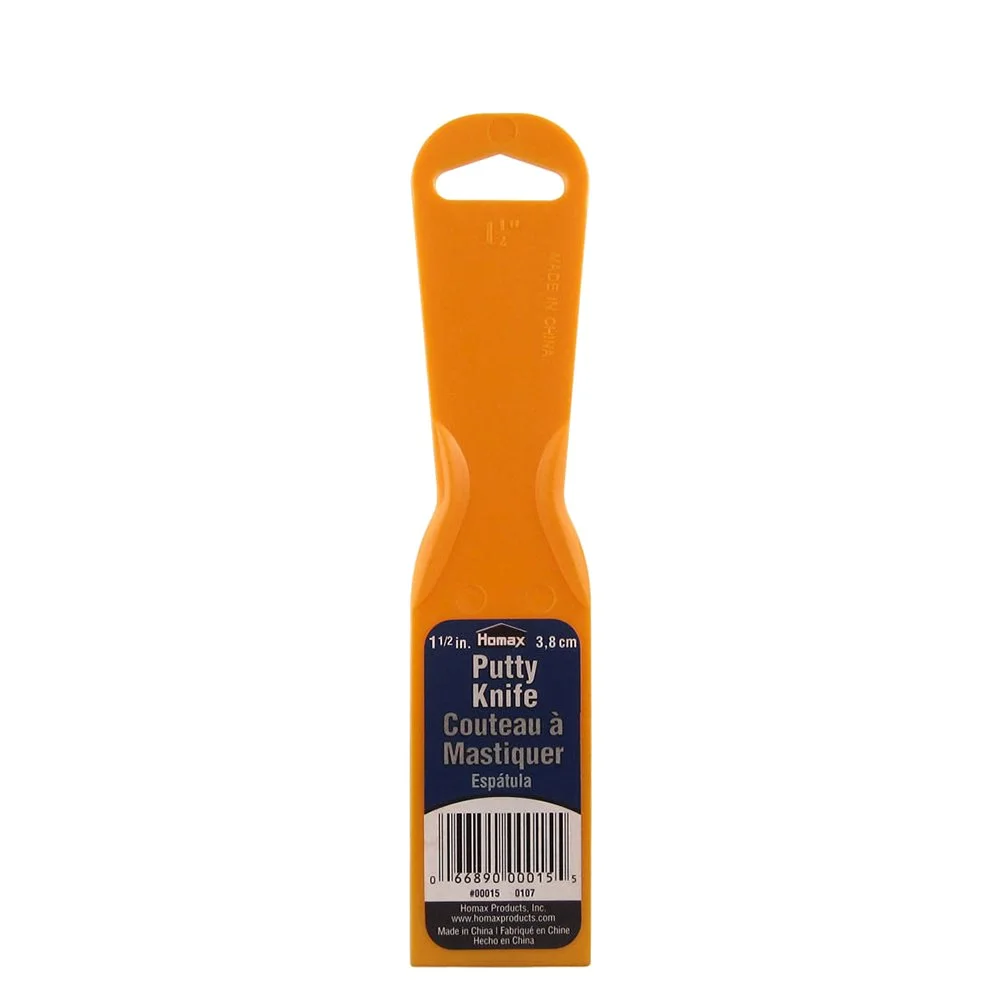
Start with the hole. A nail hole needs nothing more than the 1-1/2 inch putty knife and some compound. A doorknob hole takes the Homax 4 x 4 galvanized steel patch, which sticks on over the gap and comes in packs of up to eight. Bigger or curved damage suits the 6 x 6 pre-plastered mesh, which hardens once you wet it. Spread your finish coats with the 8 inch knife and sand them, using the pole sander for ceilings and high seams. A self-adhesive wall guard then keeps the doorknob from punching through again.
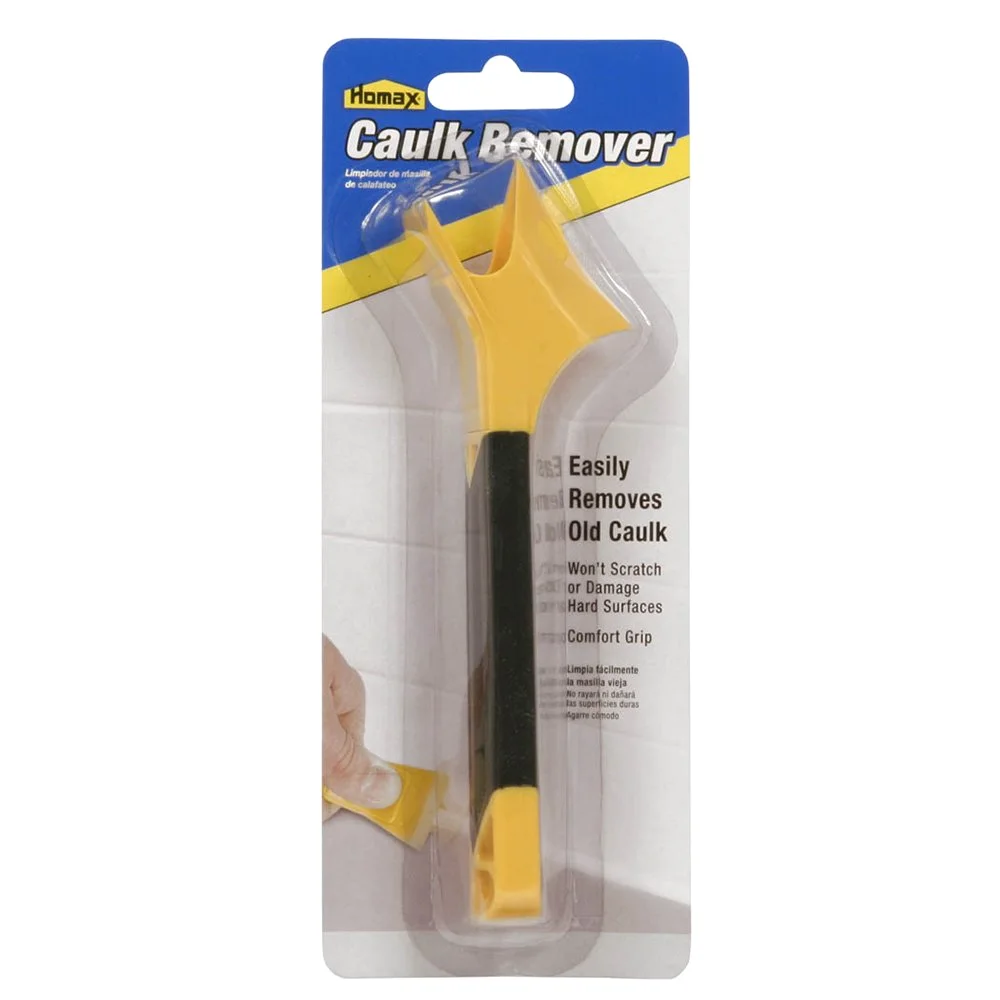
For the caulk, cut and hook out the old bead with the remover tool, lay a new one, and draw it smooth with the Perfect Bead finisher or the finishing tool. The tip and cap set gives you 1/8, 1/4 and 1/2 inch beads from one tube, and the Caulkeeper caps keep an open tube from drying out between jobs. If your home was built before 1978, the paint you sand or scrape may contain lead, and EPA recommends lead-safe practices even when you work on your own house.
These 21 products are part of the Homax catalog, $3.65 to $50.90 in our last catalog update.
Other ways in
Questions
Patch, caulk and fill: what people ask
Which Homax products do you need to patch a wall and caulk the joint?
A patch sized to the hole, a narrow knife for the first coat and a wide knife for the finish, and a pole sander for the high spots. At the trim or the tub, a caulk remover clears the old bead, and a tip, a finisher and a cap handle the new one.
Which Homax knife do you need for each coat?
The triple edge knife puts three widths in one tool: the 4 in edge for the first coat, the 6 in edge for the second and the 10 in edge for the top coat. If you prefer separate blades, use the 1-1/2 in knife for small holes and the 8 in pair for wide finish coats.
Should you sand old paint around a Homax wall patch?
Be careful in an older house. The EPA notes that many homes built before 1978 still have lead paint, and it recommends lead-safe practices to homeowners who renovate. Treat old paint as lead unless a test says otherwise, and mist it before any sanding or scraping.