

Filter
Filter
20 products
-
Aerosol texture · Water-based
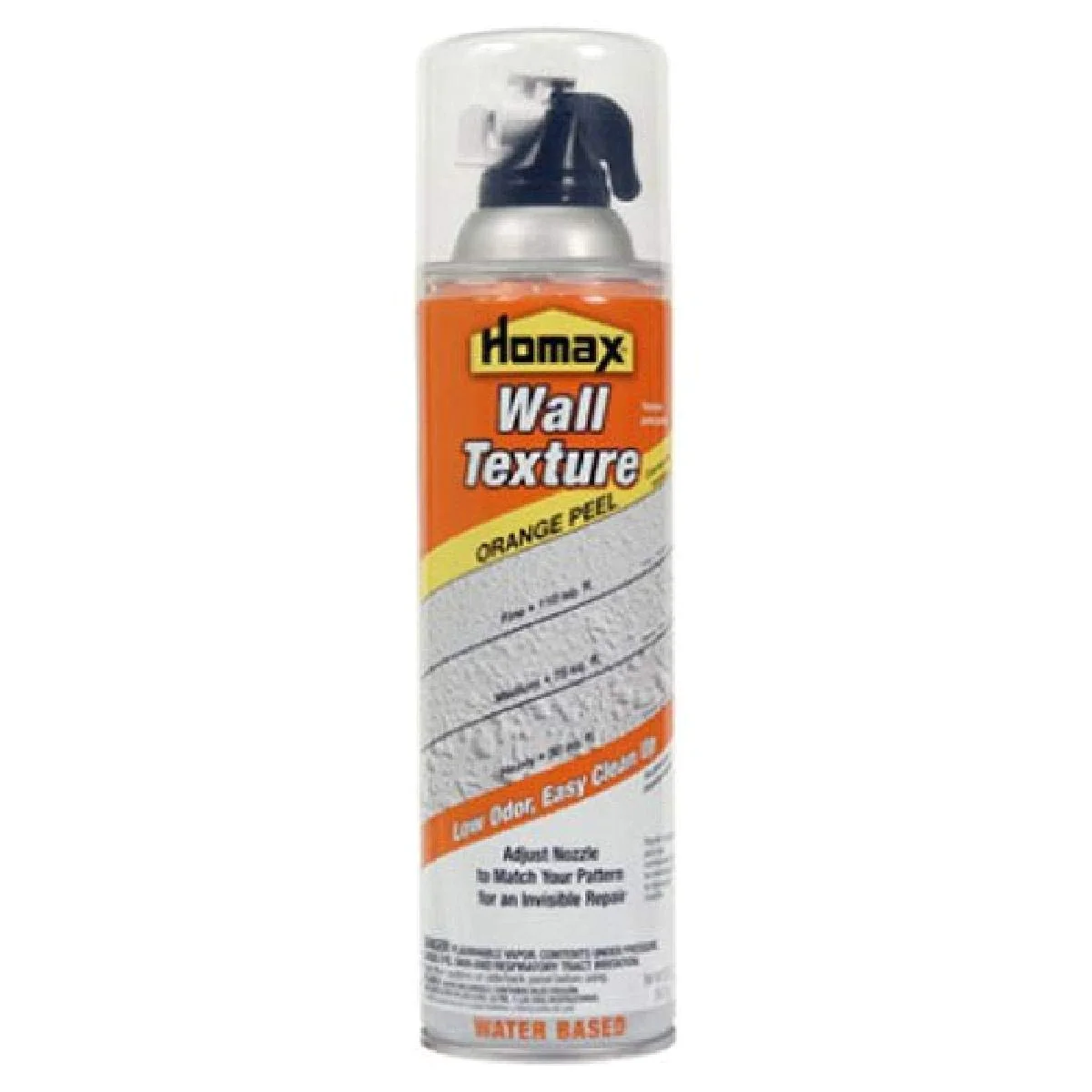
Homax Orange Peel Wall Texture, Water-Based
Best for: Small orange peel patches on drywall, soap-and-water cleanup
From Regular price$13.85
-
Aerosol texture
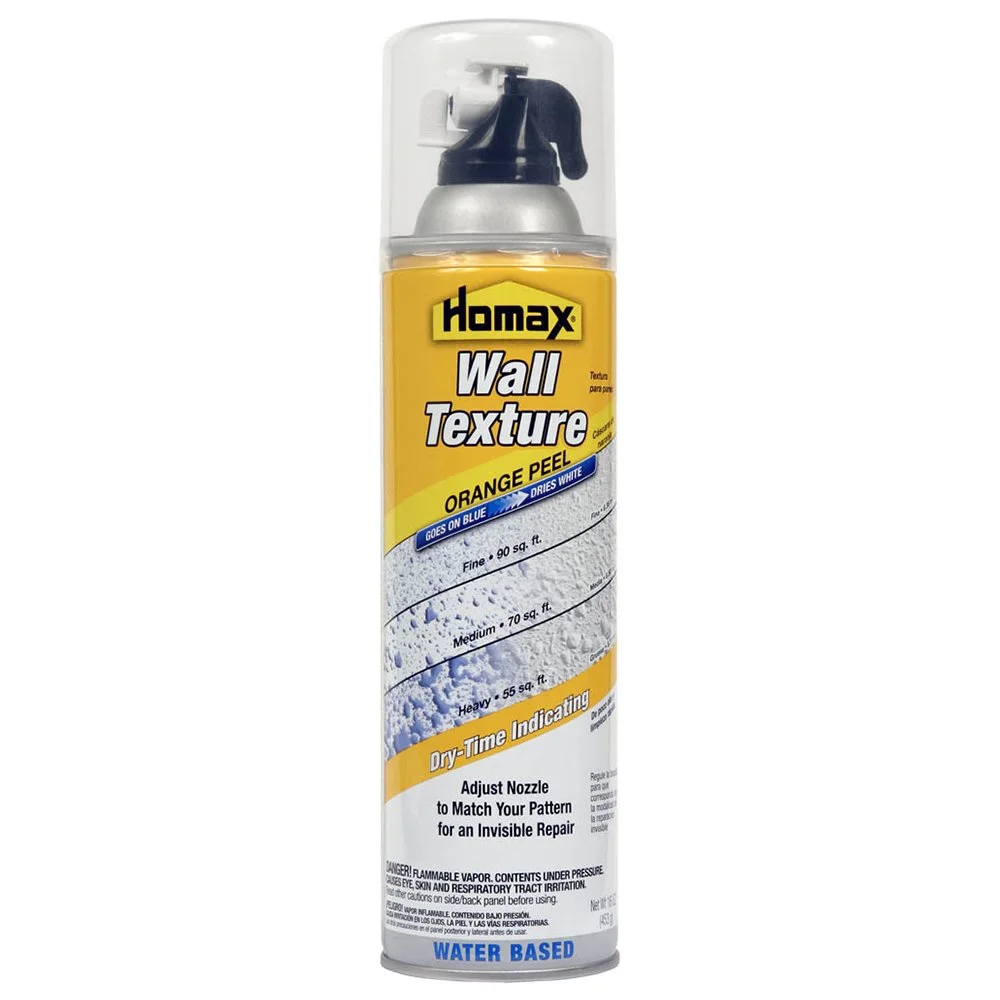
Homax Color-Changing Orange Peel Wall Texture
Best for: Seeing where the spray landed: blue when wet, white when dry
From Regular price$17.29 -
Scraper
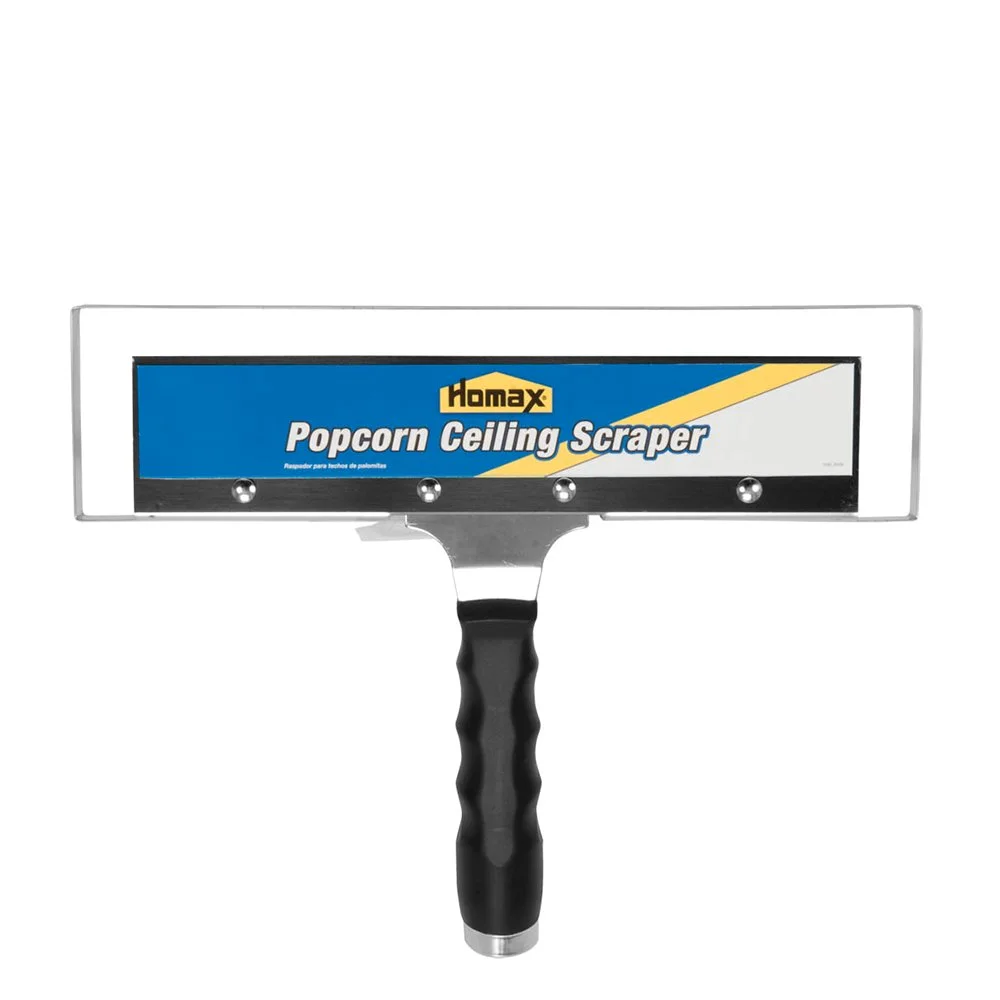
Homax Popcorn Ceiling Texture Scraper
Best for: Scraping popcorn into an attached bag instead of onto the floor
Regular price$21.98 -
Ceiling texture
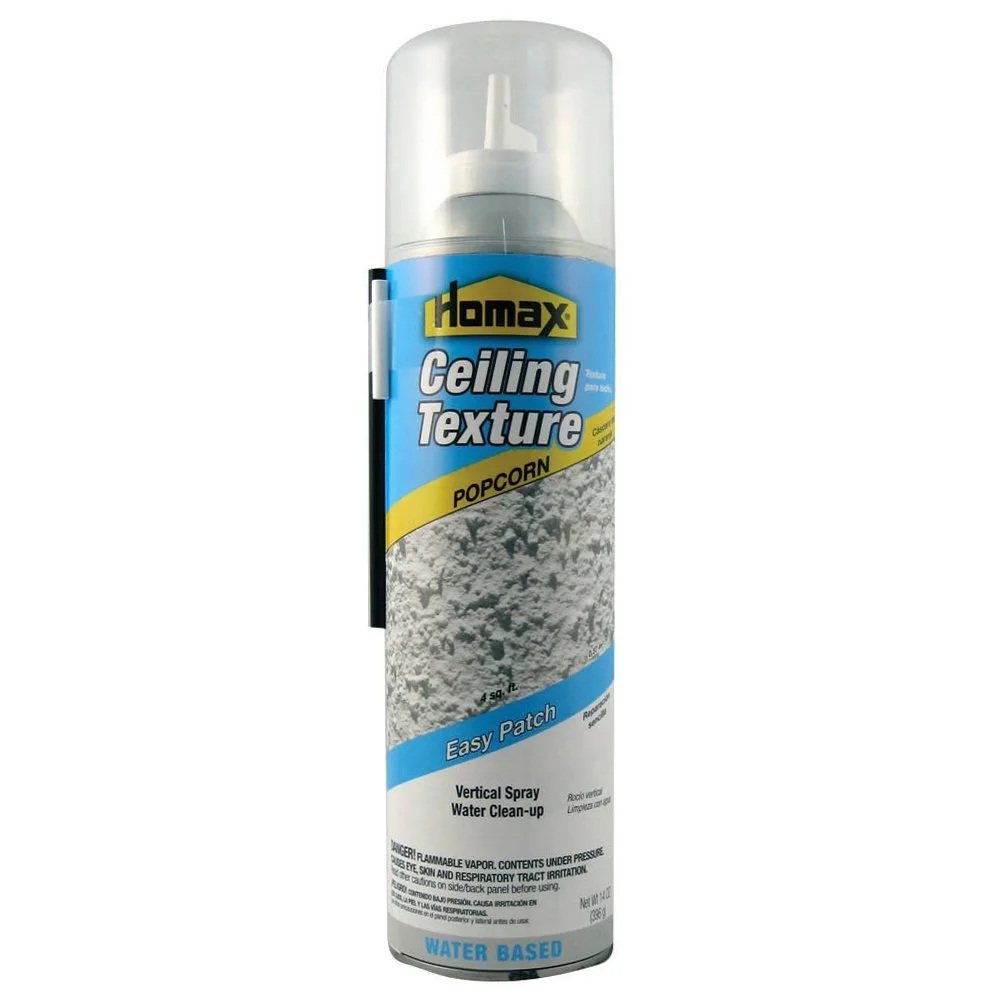
Homax Easy Patch Popcorn Ceiling Texture
Best for: Small popcorn patches, water-based
Regular price$15.24 -
Ceiling texture
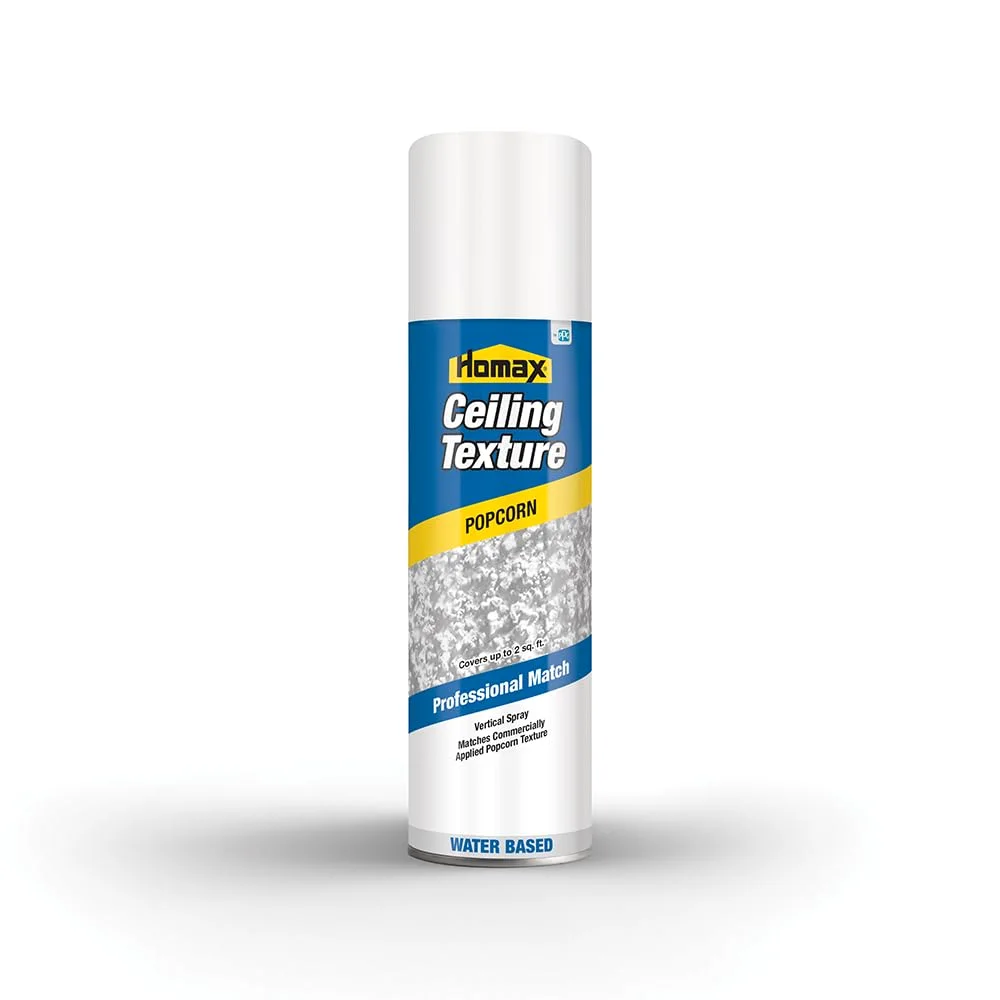
Homax Professional Match Popcorn Ceiling Texture
Best for: Matching an older, coarser popcorn ceiling
Regular price$19.78 -
Touch-up kit
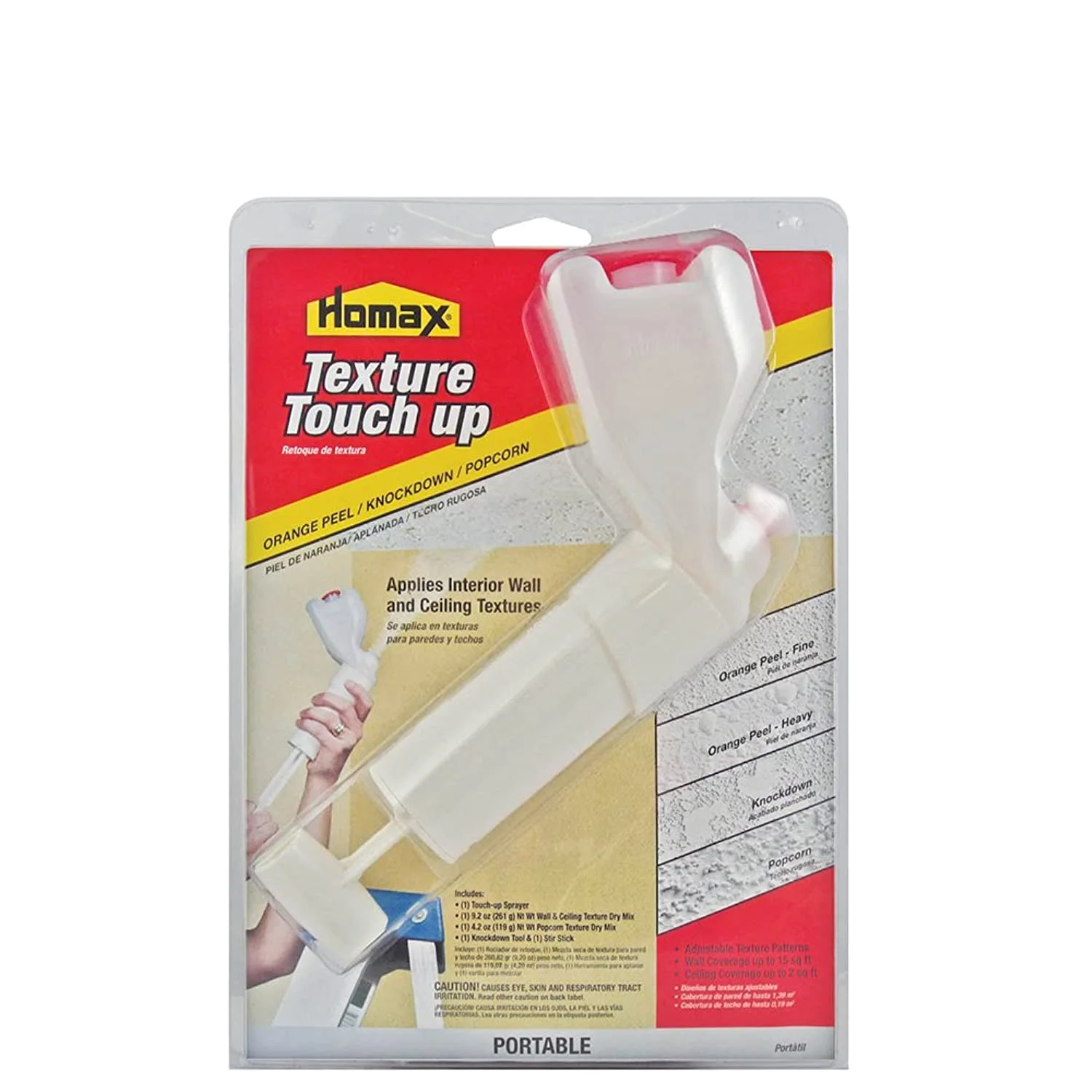
Homax Wall and Ceiling Texture Touch-Up Kit
Best for: Small textured dings without buying a full can
From Regular price$17.99 -
Aerosol texture · Water-based
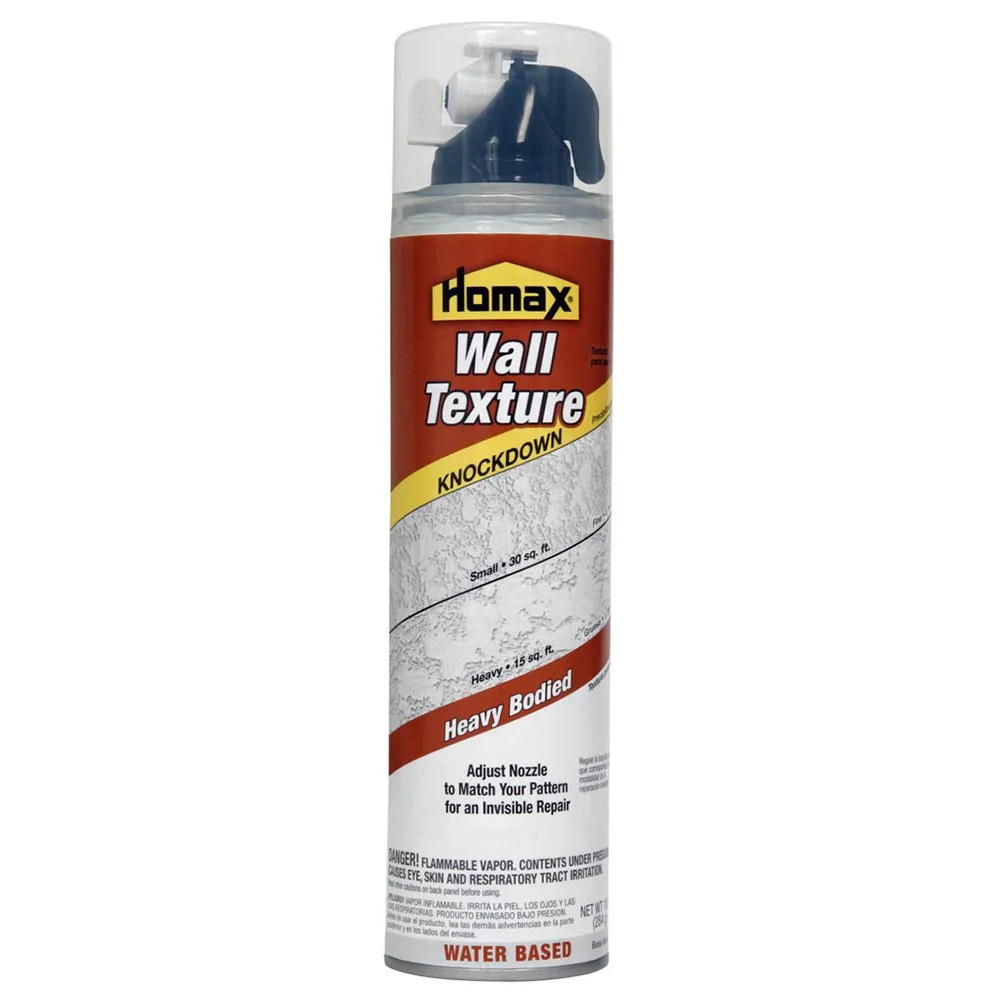
Homax Knockdown Wall Texture, Water-Based
Best for: Knockdown patches flattened with a knife after the spatter sets
Regular price$10.09 -
Ceiling texture · Water-based
Homax Ceiling Texture, Orange Peel and Knockdown
Best for: Spraying orange peel or knockdown straight up at a ceiling
Regular price$21.36 -
Ceiling texture
Homax Popcorn Ceiling Texture, Aerosol
Best for: Patching a water stain or a fixture hole in a popcorn ceiling
From Regular price$15.61 -
Aerosol texture · Oil-based
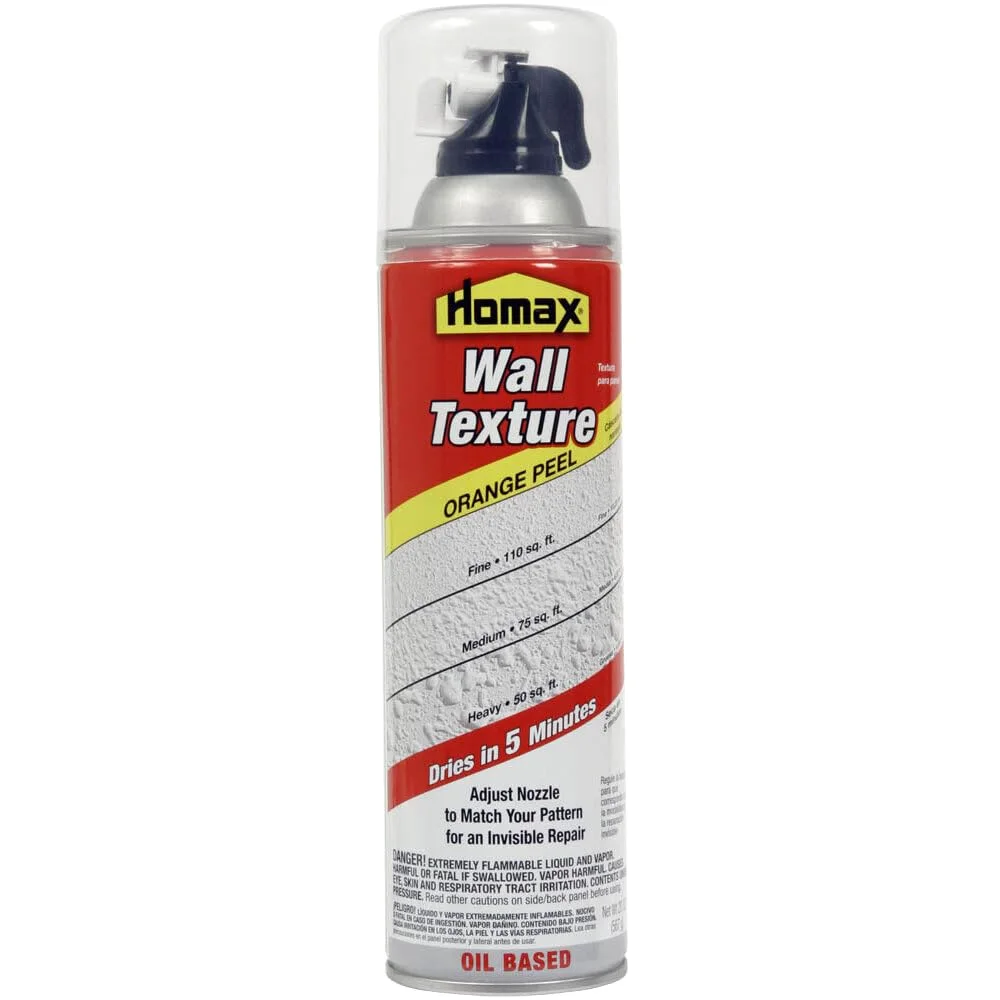
Homax Orange Peel Wall Texture, Oil-Based
Best for: Orange peel patches in kitchens, baths and other damp rooms
From Regular price$17.79 -
Pro Grade texture · Water-based
Homax Pro Grade Knockdown Texture, Water-Based
Best for: Larger knockdown repairs with an adjustable spray tip
Regular price$28.98 -
Pro Grade texture · Water-based
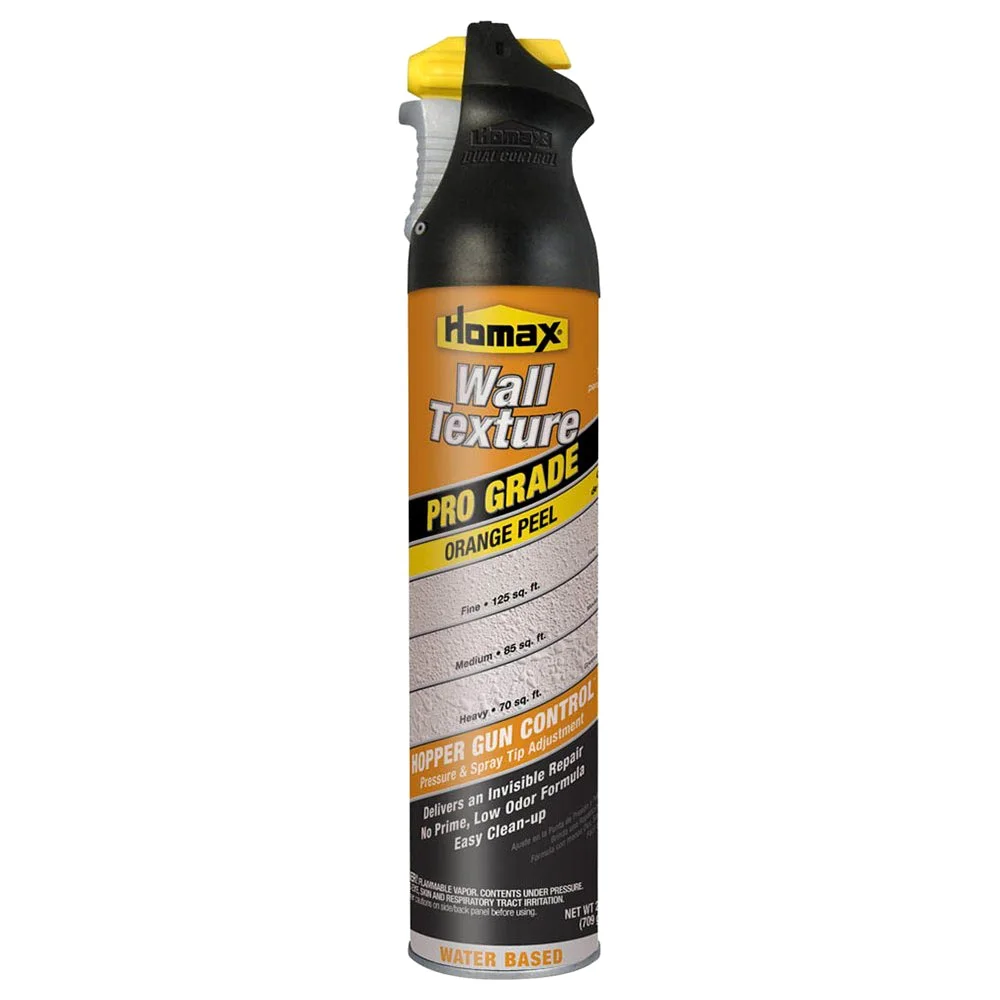
Homax Pro Grade Orange Peel Texture, Water-Based
Best for: Larger orange peel repairs, water cleanup
Regular price$27.06 -
 Pro Grade
Pro Grade texture
Homax Pro Grade Popcorn Ceiling Texture
Best for: Popcorn patches with a heavier, adjustable spray
From Regular price$27.16 -
Pro Grade texture · Water-based
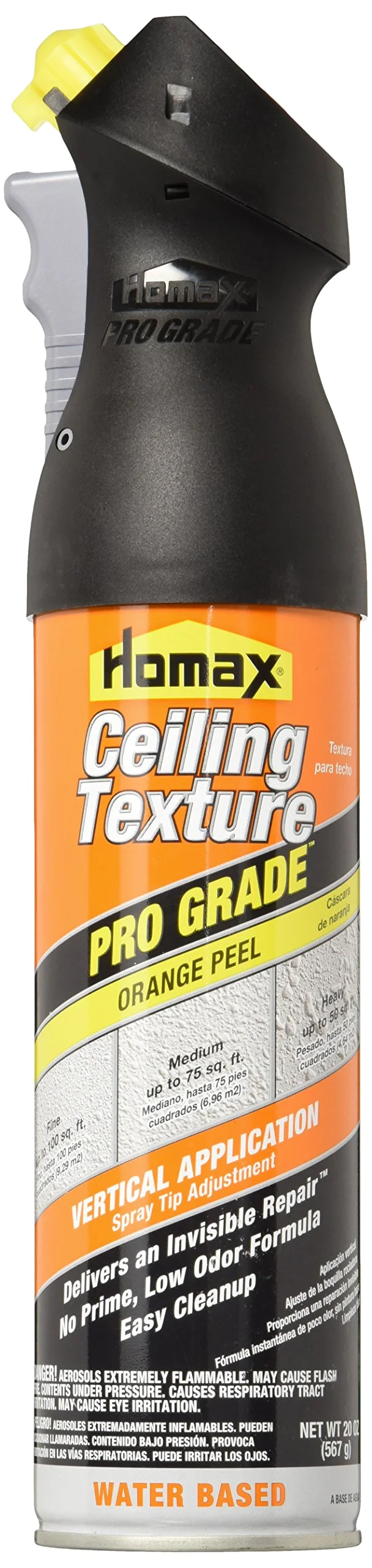
Homax Pro Grade Orange Peel Ceiling Texture
Best for: Orange peel ceiling repairs with an upside-down valve
Regular price$27.44 -
Pro Grade texture · Water-based
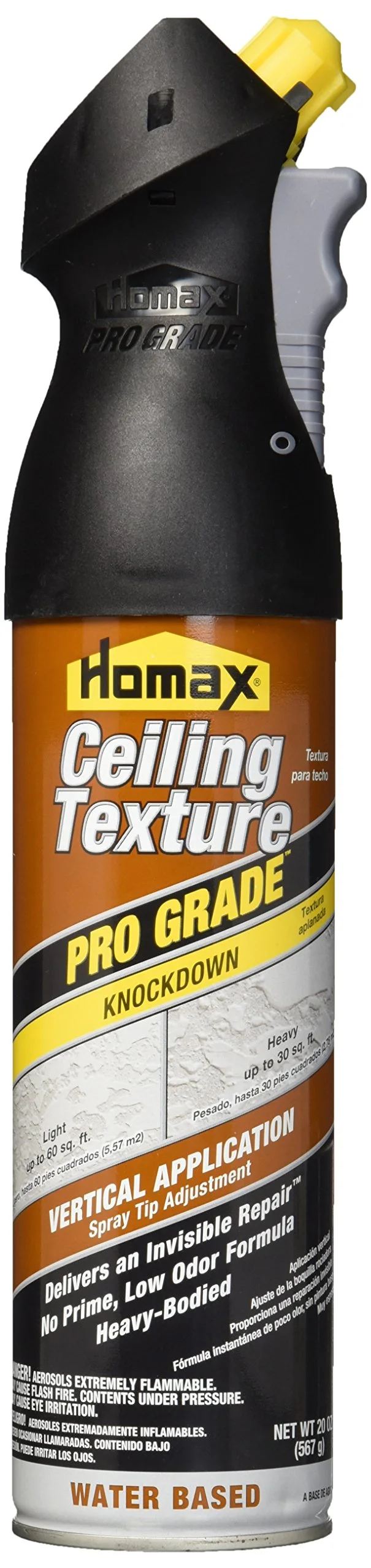
Homax Pro Grade Knockdown Ceiling Texture
Best for: Knockdown ceiling repairs with an upside-down valve
Regular price$27.98 -
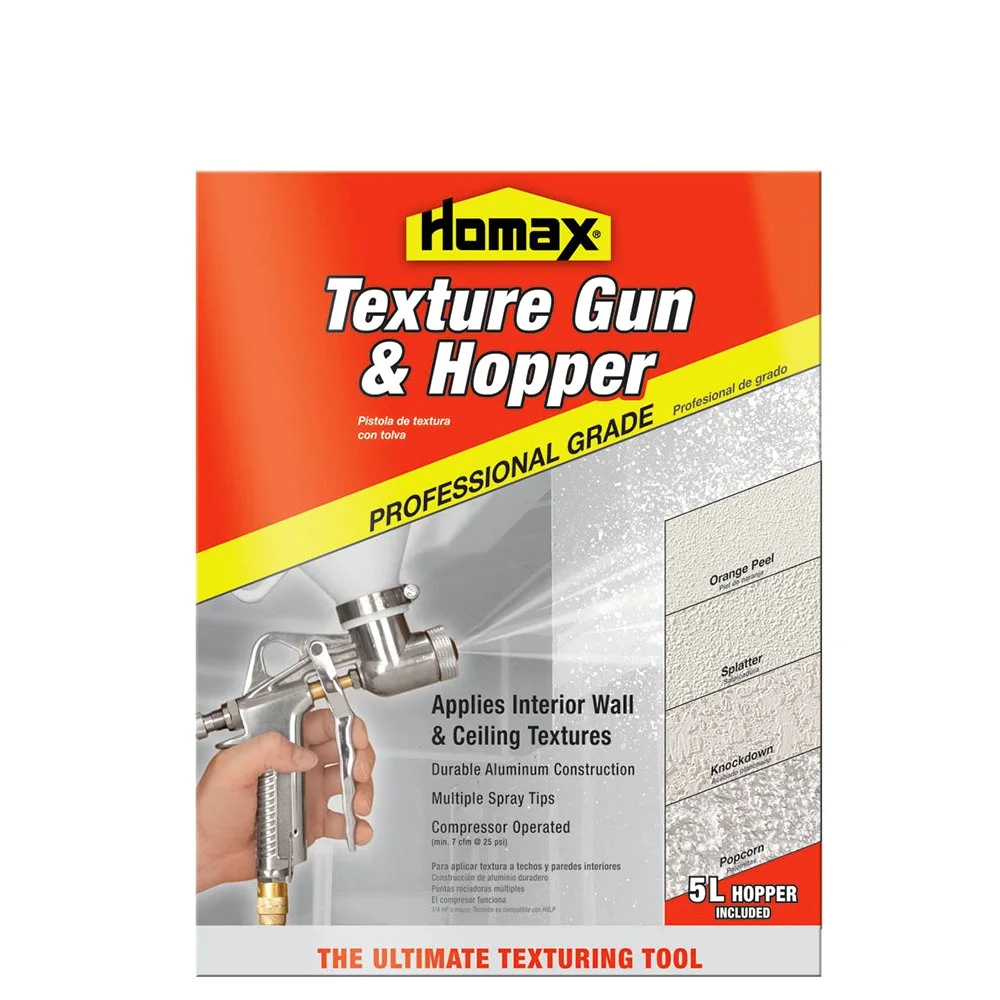
Hopper gun
Homax Professional Texture Gun with 5 L Hopper
Best for: Bigger texture jobs with fewer hopper refills
Regular price$69.98 -
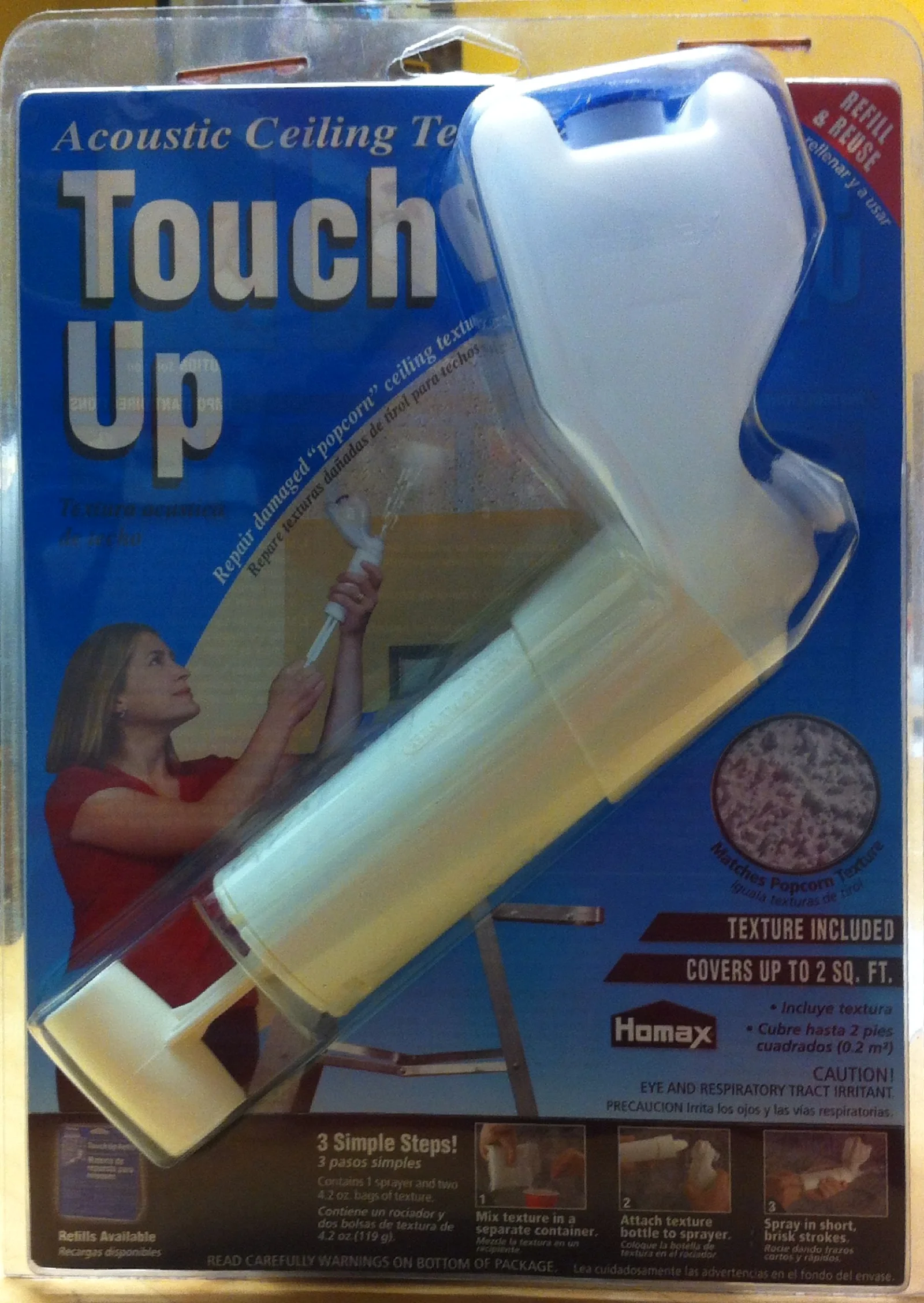
Touch-up kit
Homax Acoustic Ceiling Texture Touch-Up Kit
Best for: Small popcorn repairs brushed or dabbed on
Regular price$38.94 -
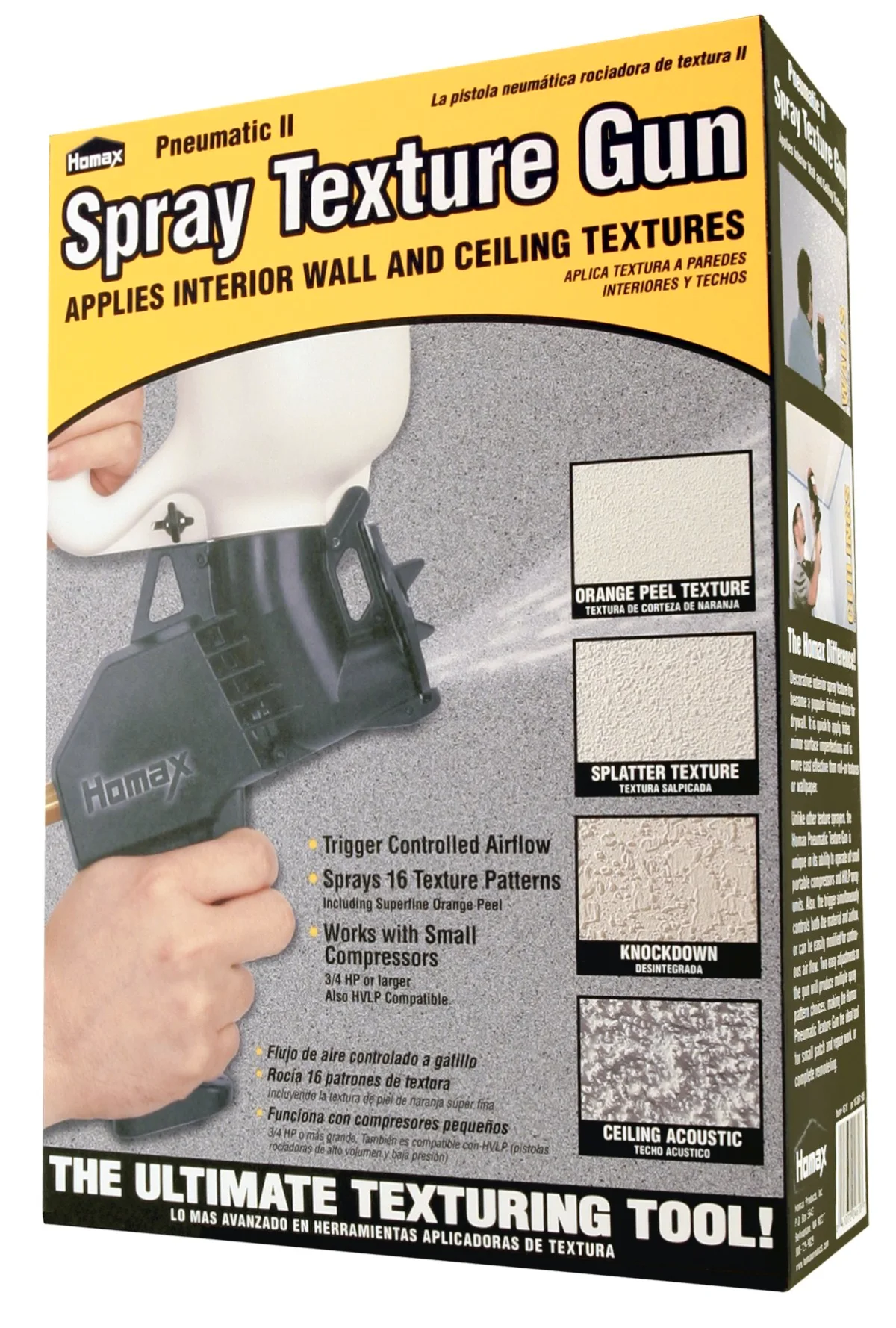
Hopper gun
Homax Pneumatic Texture Gun with 3 L Hopper
Best for: Re-texturing whole walls and ceilings from a compressor
Regular price$65.46 -
 Pro Grade
Texture sprayer
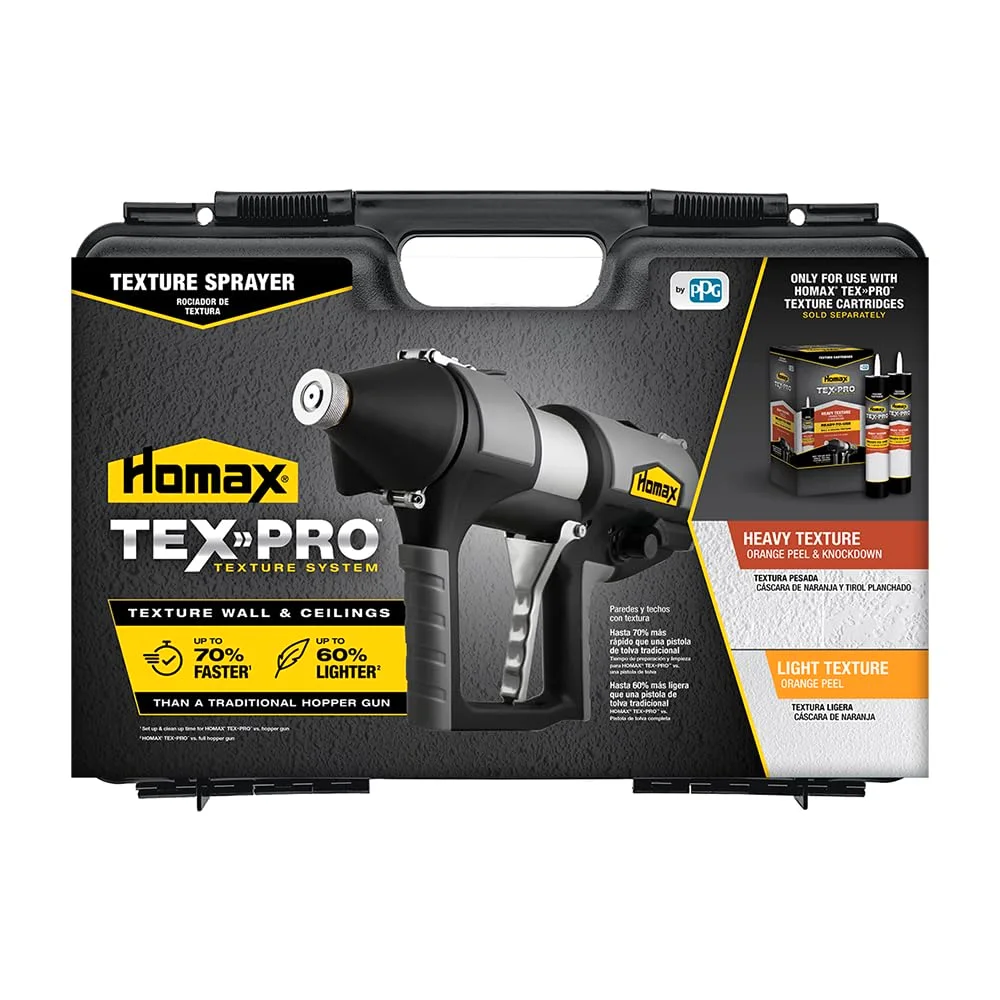
Homax Tex-Pro Texture Sprayer System
Best for: Room-sized texture work without a compressor
Regular price$179.98 -
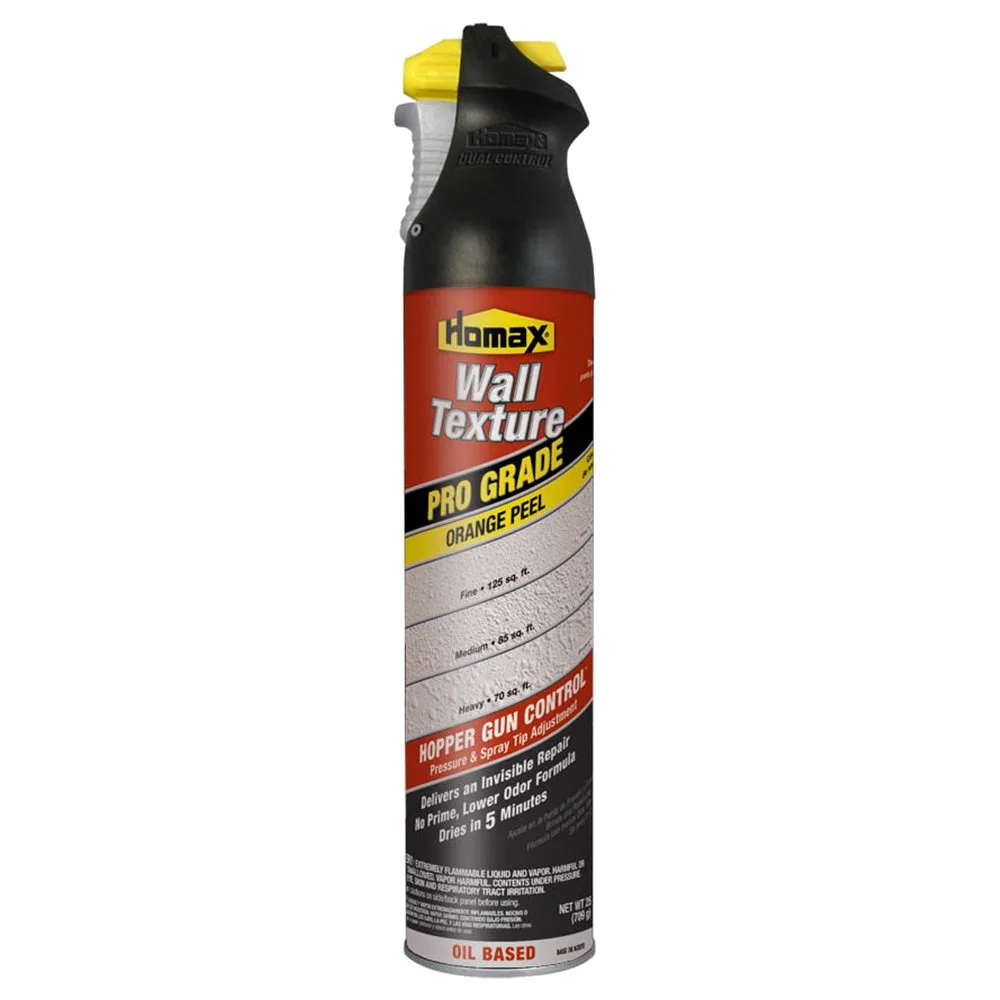
Pro Grade texture · Oil-based
Homax Pro Grade Orange Peel Texture, Oil-Based
Best for: Larger orange peel repairs with an adjustable spray tip
From Regular price$24.99 - The whole guideEvery Homax product72 products from $1.82See them all




No product matches every filter you picked.
Which texture you have decides which shelf you shop
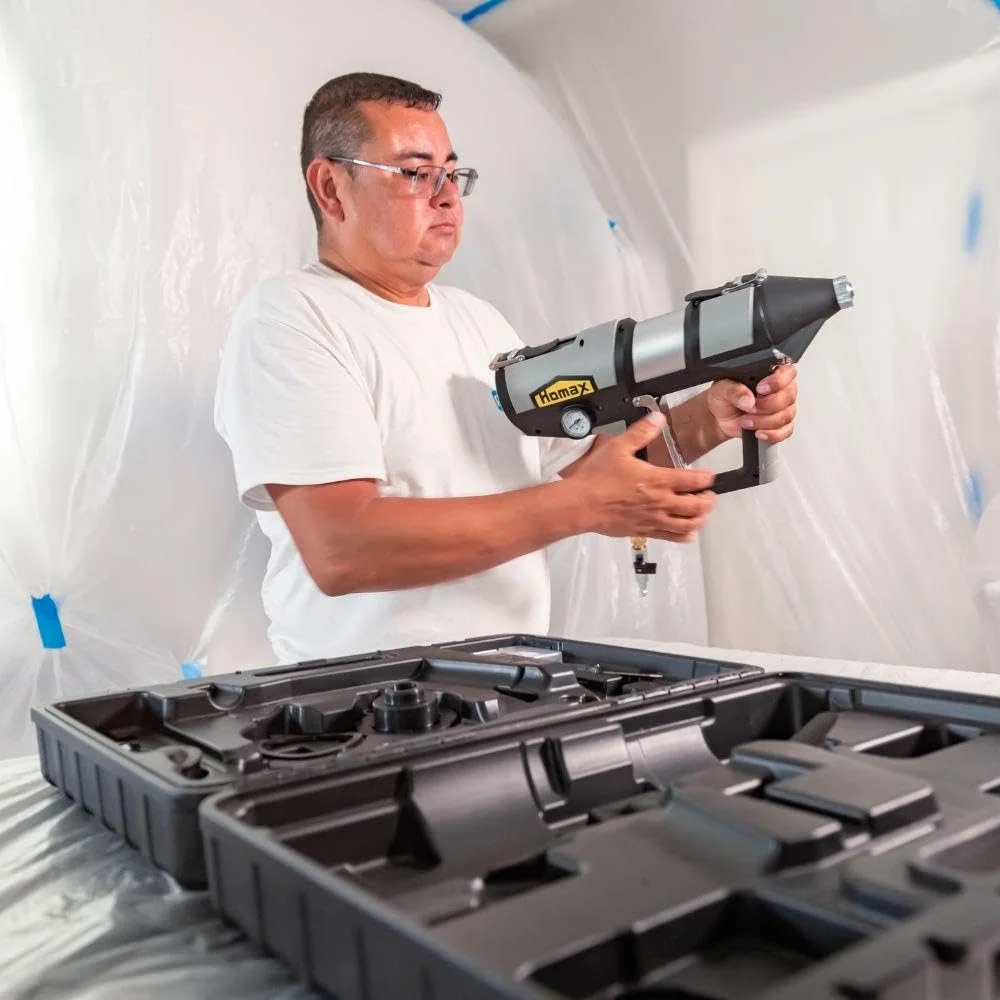
Every texture repair starts with the pattern already on your wall or ceiling. Orange peel is a fine, even spatter. Knockdown is heavier spatter that you flatten with a knife once it sets. Popcorn is a raised coat of chips on a ceiling. Then size the damage. A doorknob dent wants a small can or the Homax touch-up kit, whose wall mix covers up to 15 sq ft. Retexturing a whole room is gun work, and the hopper guns on the tools shelf run from an air compressor.
You pull from three shelves for this job. Wall cans spray sideways at drywall, ceiling cans have a vertical tip so you can aim straight up, and the tools shelf holds the 3 L and 5 L hopper guns and the Tex-Pro sprayer. If the job means scraping an old popcorn ceiling, have it tested first: EPA says you cannot tell asbestos by looking and advises leaving the sampling to a trained professional. Sanding joint compound raises dust that NIOSH ties to eye, nose and throat irritation, so shut the door on the room while you sand.
These 20 products are part of the Homax product family, $10.09 to $368.99 in our last catalog update.
Questions
Texture a wall or ceiling: what people ask
Which Homax products do you need for a texture repair?
For a patch, one aerosol can in the pattern you need, plus a knife if the pattern is knockdown. For a larger area, a Pro Grade can with adjustable pressure. For a whole room, a hopper gun or the Tex-Pro on a compressor. To remove popcorn first, the ceiling scraper.
Do you need a compressor for Homax texture?
Not for the cans. The regular and Pro Grade aerosols need no compressor, mixing or hopper gun, and the touch-up kits use a hand-operated sprayer. The 3 L and 5 L guns and the Tex-Pro sprayer all run off an air compressor you supply.
Will you raise drywall dust when you sand a Homax texture repair?
It can. NIOSH found that joint compounds contain materials such as talc, mica, gypsum and silica, and that their sanding dust can irritate the eyes, nose, throat and airways. Sand as little as the patch needs and keep the dust out of the rest of the house.